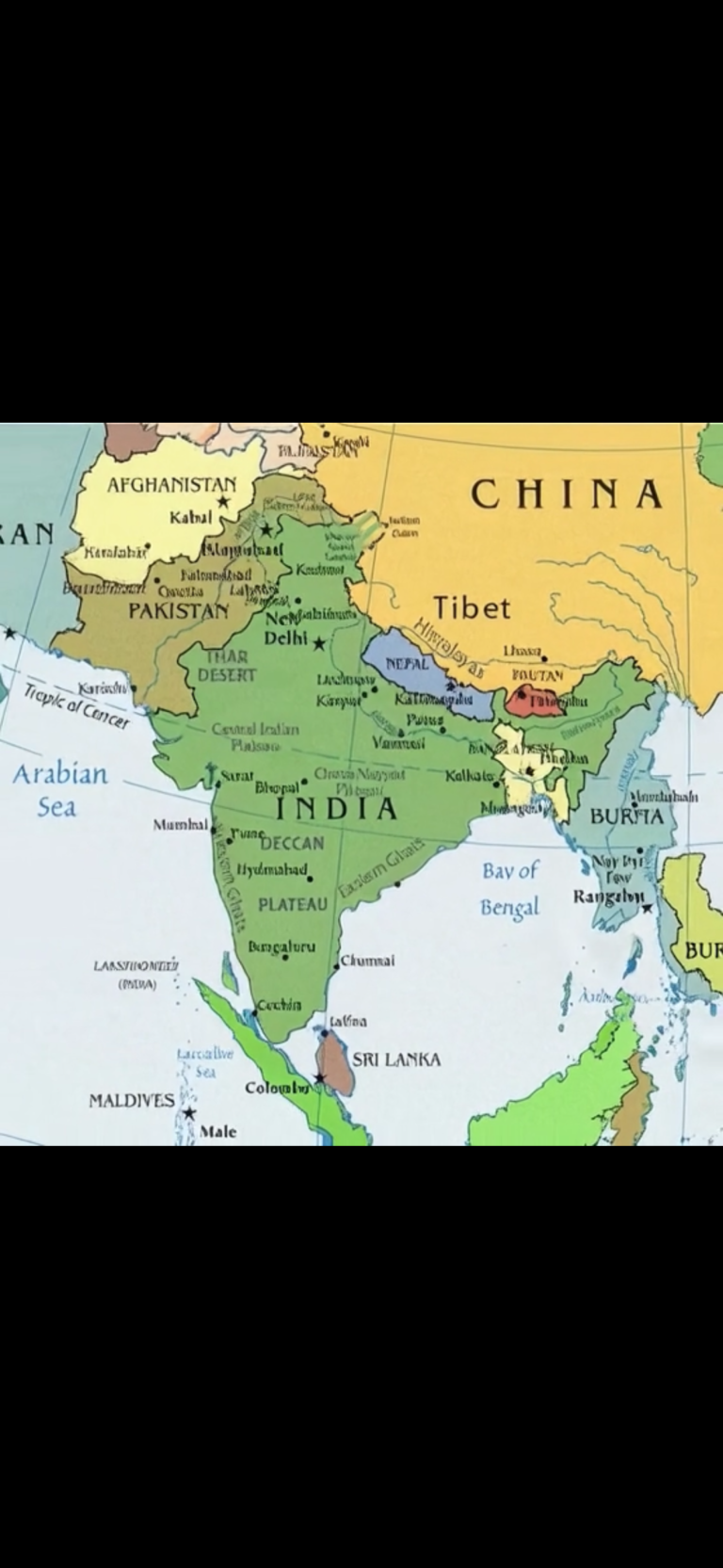


Pakistan’s foreign relations are currently navigating a successful yet complex phase. The United States, China, Iran, Saudi Arabia, Turkey, and many other countries are eager to strengthen political and economic ties with Pakistan. For global powers, Pakistan’s geographic position—at the confluence of South Asia, Central Asia, and the Middle East—makes it a vital strategic partner. Additionally, Pakistan’s nuclear capability and its population and influence in the Muslim world grant it a prominent standing. The unity of the Pakistani nation during the May 2025 Pakistan-India war exemplifies the solidarity of Pakistan’s human strength.
Pakistan-U.S. Relations
Historically volatile, Pakistan cooperated closely with the U.S. during the Cold War through alliances like CENTO and SEATO. Post-9/11, the war on terror reshaped ties. However, misunderstandings fuelled by proxies in Afghanistan—instigated by India and others—created cracks.
After the 2021 U.S. withdrawal from Afghanistan, Pakistan’s strategic value diminished as America no longer needed Pakistani routes or bases. Yet now, the U.S. has renewed interest in Bagram Air Base. Pakistan’s mineral resources (especially gold and copper) have attracted U.S. companies, opening new avenues for bilateral trade and investment.
Still, U.S. policy toward Pakistan remains viewed through the lens of China, as Pakistan’s deep ties with Beijing raise concerns for American interests.
Pakistan-China Relations
China is Pakistan’s strongest strategic partner. The China-Pakistan Economic Corridor (CPEC) has further solidified this bond. CPEC is not only critical for Pakistan’s economy but also a flagship of China’s Belt and Road Initiative. Pakistan recognised China in 1950, and since then, both nations have maintained deep cooperation in defence, economy, and diplomacy.
However, U.S. criticism of CPEC and escalating U.S.-China strategic rivalry place Pakistan in a delicate balancing act between the two superpowers. This is the wall on the path to success in Pakistan’s foreign policy—one that must be crossed with great shrewdness.
Pakistan-Iran Relations
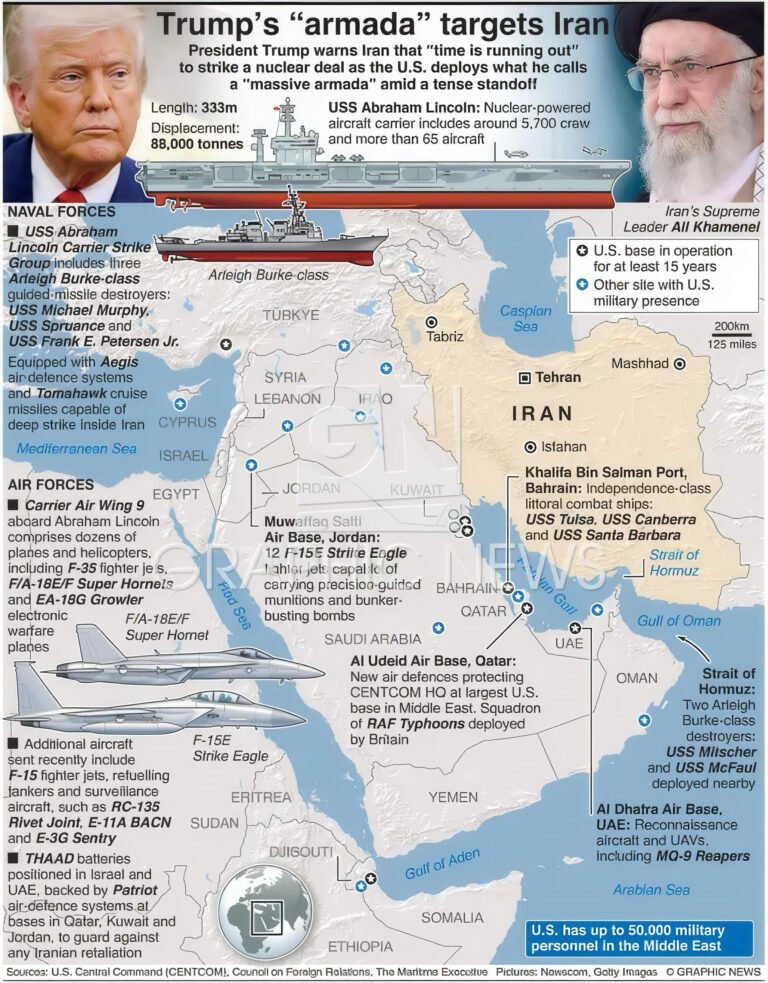
Rooted in history, culture, and religion, but complicated by geopolitics and Saudi ties. Pakistan maintains neutrality, especially amid Saudi-Iran tensions. Recently, Pakistan played a key behind-the-scenes role in the Israel-Iran war, for which the Iranian government is grateful.
Progress on projects like the Pak-Iran Gas Pipeline remains stalled due to U.S. sanctions, but both nations are working to expand cooperation on shared interests. Iran’s regional importance and Pakistan’s geographic position make this partnership pivotal, though U.S. pressure remains a hurdle.
Pakistan-Saudi Arabia Relations
Built on faith, defence cooperation, and economic aid. The 2025 Pak-Saudi Defence Agreement reflects growing collaboration not just militarily but for the broader interests of the Muslim Ummah. Saudi Arabia is a major source of Pakistani labour exports, remittances, and financial aid. In recent years, Riyadh has also mediated to improve Pakistan’s ties with India and Afghanistan.
Pakistan-Turkey Relations
Extremely strong, grounded in history, religion, and defence. Turkey has expanded its influence in Pakistan through defence cooperation and investment. Turkey’s emerging regional power status and shared ideological values have drawn the two closer. While Turkey seeks to leverage Pakistan’s foreign policy for its own interests, the relationship is based on mutual respect.
India’s Independent Foreign Policy & U.S. Strategy
India’s independent foreign policy—shielded by its U.S. ties—poses a roadblock. As an active member of the Shanghai Cooperation Organisation (SCO) and BRICS, India supports forums aiming to end U.S. dollar hegemony. India maintains balanced relations with Russia, China, and the West, allowing independent decision-making free from full U.S. influence.
Meanwhile, the U.S. seeks Indian Ocean dominance through India—but India’s defeat by Pakistan has shattered the myth that India is the region’s net security provider. India’s loss and independent stance have shown the U.S. it cannot fully rely on India.
In this context, Pakistan’s importance rises—as a close China ally and a key regional player.
Why Pakistan’s Importance Has Suddenly Surged
1 Geography: A bridge between the Middle East, Central Asia, and South Asia—critical for global trade and energy routes.
2 Minerals: Copper and gold reserves attracting global powers.
3. Nuclear Power & Muslim World Standing: Makes Pakistan a major player.
4. CPEC: Positions Pakistan as a core node in China’s Belt and Road—elevating its role in the global economic architecture.
5 Counterbalance to India: India’s aggressive policies (especially on Kashmir and the Hindutva agenda) position Pakistan as a stabilising force for global powers.
One thing is certain: growing U.S.-Pakistan ties represent a delicate phase that must be navigated with extreme caution.
Pakistan needs:
• Clear objectives and priorities
• Safeguarding national interests
• Avoiding great-power tug-of-war
• Vigilance against Indian manoeuvres
• All-round preparedness for surprises