As of late January 2026, the Middle East teeters on the brink of major escalation between the United States and Iran. President Donald Trump has described a “massive armada” en route to the region, likening its scale to the naval forces assembled off Venezuela in late 2025, according to The New York Times and NBC News. This deployment coincides with Iran’s severe internal crisis, where nationwide protests erupted on December 28, 2025—triggered by the rial’s collapse to record lows and rampant inflation—spreading to over 500 locations across nearly all provinces.
According to the U.S.-based Human Rights Activists News Agency (HRANA), NPR, The Guardian, and other reports, Iran’s crackdown has killed at least 6,000–6,126 protesters (with activist and media estimates reaching as high as 20,000–36,500, including mass killings on January 8–9 described as unprecedented). Security forces have arrested tens of thousands, enforced weeks-long internet blackouts, and deployed live fire, machine guns, and prohibited weapons, per Amnesty International and eyewitness accounts. While visible unrest has been largely suppressed by mid-January, economic grievances and resentment over repression linger, with sporadic resistance in cities like Tehran, Esfahan, and Shiraz.
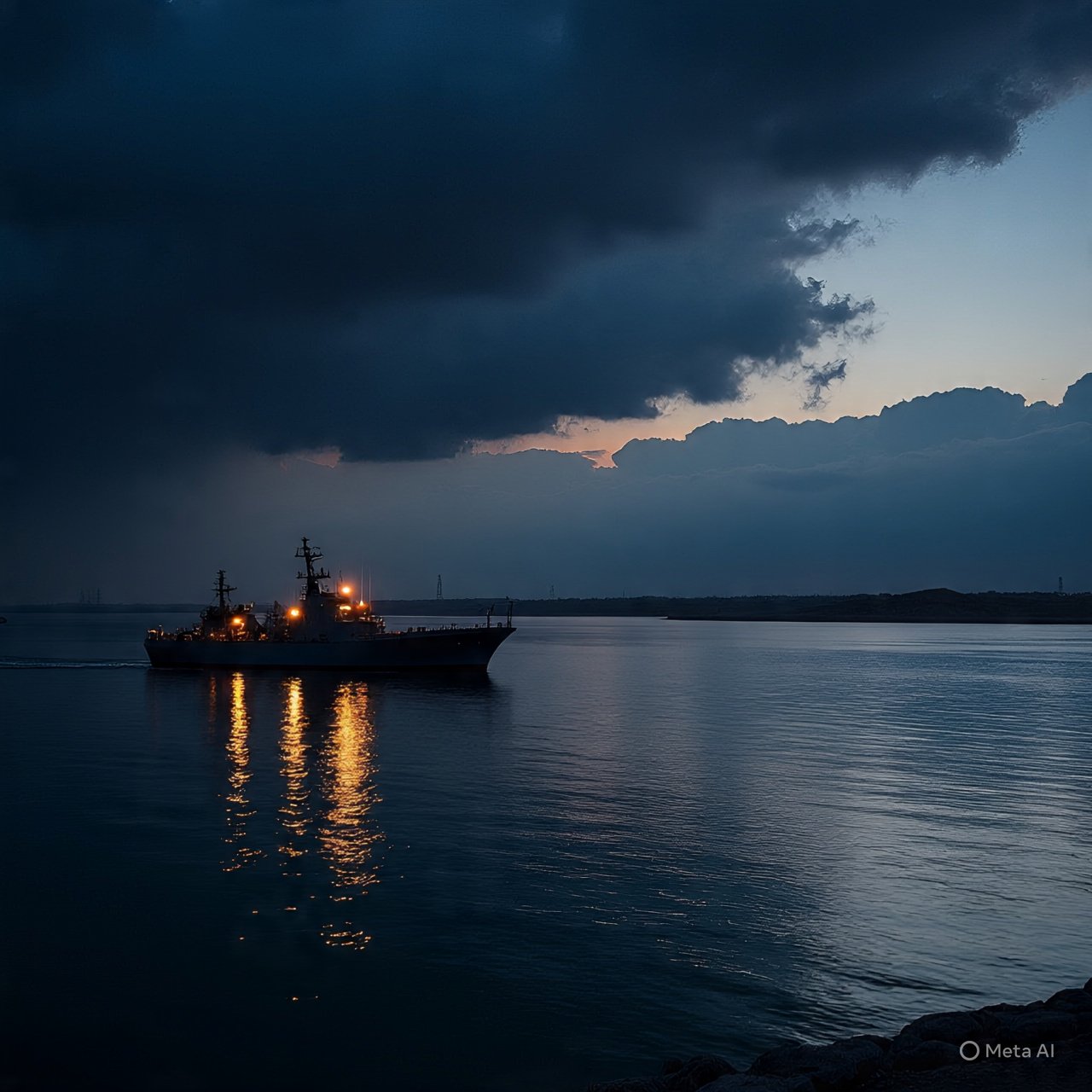
The U.S. response features the USS Abraham Lincoln carrier strike group—including guided-missile destroyers such as USS Spruance, USS Michael Murphy, and USS Frank E. Petersen Jr.—which entered CENTCOM’s area on January 26, per Reuters and CNN. Trump has reiterated demands for a new nuclear deal, warning of severe consequences if unmet. Additional assets include THAAD and Patriot systems for missile defense, with C-5M Super Galaxy flights likely transporting related equipment, as noted by Defence Security Asia and Anadolu Agency. CENTCOM’s multi-day exercises emphasize rapid dispersal, logistics, and multinational readiness, according to The Guardian and CNN.
Iran responds with asymmetric threats: The IRIS Shahid Bagheri drone carrier is positioned near the Strait of Hormuz, with state media claiming readiness to target U.S. assets via UAV swarms, per Press TV and Defence Security Asia. Officials warn of severe retaliation against any aggressor or supporting nations, prompting the UAE and others to restrict airspace and bases for U.S. operations against Iran, according to Reuters.
China’s Middle East policy prioritizes non-interference, opposition to military force, and safeguarding economic interests—especially secure Iranian oil imports for energy diversification. Beijing has condemned “military adventurism,” with Ambassador Fu Cong at the UN Security Council warning that such actions would plunge the region into an “abyss of unpredictability,” per CGTN and Xinhua. Foreign Minister Wang Yi and spokespeople have urged restraint, supported Iran’s stability without direct security commitments, and framed opposition to external interference as protecting broader regional calm. Analysts from Brookings highlight China’s pragmatic stance: Iran diverts U.S. attention and secures oil, but Beijing avoids risking wider ties—particularly with Trump’s planned April visit to China.
Russia’s role in the Middle East amid these tensions underscores its strategic partnership with Iran, a key ally for military, economic, and trade cooperation. Moscow has supplied Tehran with equipment like Spartak armored vehicles and Mi-28 attack helicopters—suited for internal suppression—amid the protests, according to Politico and Carnegie Endowment reports. The Kremlin has condemned U.S. threats of strikes or intervention as “categorically unacceptable” and “subversive external interference,” warning of “disastrous consequences” for regional and global security, per Reuters and the Russian Foreign Ministry. Spokesperson Dmitry Peskov stated on January 26 that a U.S. strike would cause “serious destabilization” and urged restraint and peaceful negotiations, according to Iran International and Kremlin statements. Russia has blamed unrest on Western pressure and sanctions while downplaying coverage domestically. However, analysts from Carnegie and Al Jazeera note Moscow’s cautious, muted response overall—unlikely to intervene militarily due to Ukraine commitments and limited capacity—focusing instead on diplomatic support, sanctions-evasion advice, and preserving ties without risking direct confrontation. Russia has also positioned itself as a mediator in related dynamics, such as facilitating secret Iran-Israel messages to avoid escalation, per The Washington Post.
In my assessment, this remains predominantly strategic pressure to force Iran into nuclear negotiations, mirroring Trump’s “maximum pressure” tactics, rather than the immediate onset of full-scale war. Defensive assets, exercises, and rhetoric emphasize deterrence amid Iran’s protests and nuclear concerns. Yet the crackdown’s brutality, Iran’s asymmetric tools, China’s diplomatic pushback, and Russia’s warnings against U.S. action narrow the error margin—an incident in the Strait could spiral rapidly. Back-channel diplomacy or concessions offer potential de-escalation paths in this volatile theater.
About the Author