1. The Local Context: Strategic Stability
The choice of Islamabad as a venue is strategic, providing a stable environment for high-level diplomacy. This ensures that the physical surroundings remain controlled, allowing diplomats to focus on the “Invisible” hurdles without interference from local disruptions. For global oil traders, this level of stability is a positive signal, ensuring that the environment remains consistent during the negotiations.
2. The “Zero-Sum Trap”: Lebanon and the Proxies
The primary hurdle to a successful “Islamabad Accord” is the Definition Gap regarding Lebanon.
The Stalemate: If Israel continues its “Eternal Darkness” operations in Lebanon during the talks, Iran’s domestic “Stakeholders” will likely force a walk-out, fearing a loss of regional credibility.
3. Systems Within Systems: The Economic Front
Beneath the diplomatic rhetoric lies the real battlefield:
Shadow Banking: Iran’s “underground pipes” move roughly $9 billion annually via front companies in Hong Kong and Dubai, bypassing U.S. sanctions.
The Petroyuan Transition: China is using its leverage as a primary oil consumer to push for trades in Yuan via the CIPS system, threatening the dominance of the US Dollar.
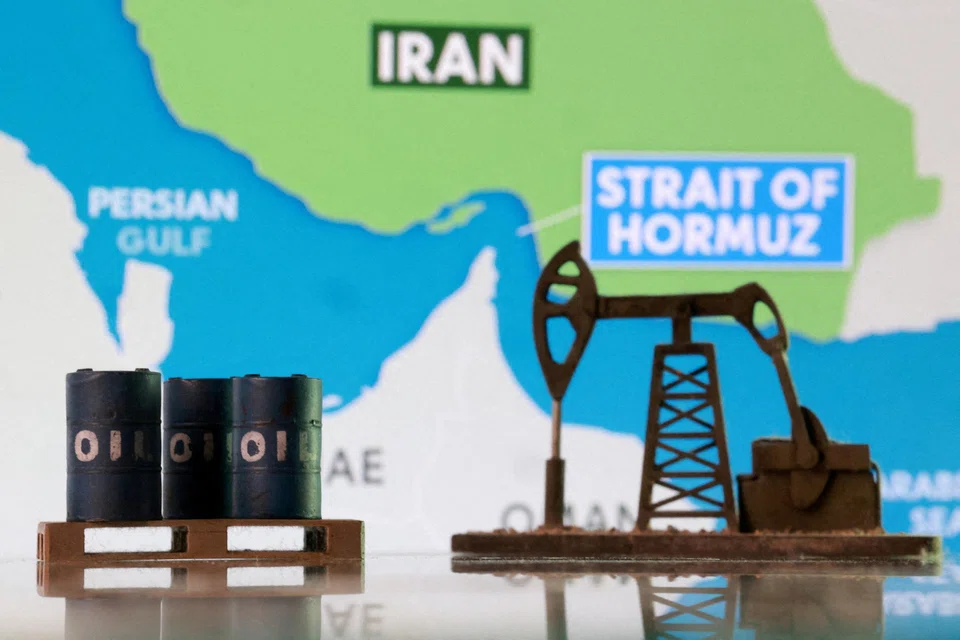
Transit Fees: Iran’s attempt to charge “tolls” in the Strait of Hormuz is a direct challenge to the “Freedom of Navigation” principle guarded by the U.S. “Deep State.”
4. Stakeholder Saturation
The “Law of Diminishing Returns on Peace” suggests that as the number of stakeholders increases, the chances for a resolution decrease. In this summit, the room is crowded with “Veto Players” who can block a deal from the shadows.
Visible Stakeholders: US, Iran, Pakistan.
Invisible Stakeholders: The Deep States , Shadow Bankers, Hezbollah, China, Russia, and Israeli hardliners.
The “Gulliver” Effect: The U.S. delegation is like Gulliver—too organized and tied down by institutional threads to move quickly enough to outmaneuver the “Shadow” players.
5. The “Day After” Scenarios
The world is watching for three potential outcomes:
The Islamabad Accord (Scenario A): A technical agreement to reopen the Strait of Hormuz in exchange for limited sanctions relief.
The Friday Collapse (Scenario B): A return to “Total War” (Operation Epic Fury) if the Lebanon strikes trigger an Iranian exit.
The Frozen Peace (Scenario C): A 30-day extension of the ceasefire—a “Managed Crisis” that allows both sides to continue their “Shadow Games” without a full-scale explosion.
Conclusion: Managed Crisis as the New Normal
Success in Islamabad will likely be measured not by a grand treaty, but by the ability of the mediators to find a linguistic bridge for the “Lebanon Gap” and a technical solution for the Strait of Hormuz. In a world defined by Stakeholder Saturation, the “Shadows of Capitalism” may prove more powerful than the pens of the diplomats.
About the Author