Strategic Assessment: Cash and Carry Business Models in Rawalpindi and Islamabad
1. Executive Context: The Retail Evolution of the Twin Cities
The Rawalpindi-Islamabad “Twin Cities” corridor represents one of the most vital strategic frontiers for modern commerce in South Asia. As of 2026, Rawalpindi’s population has reached a critical mass of 2,545,590, sustained by a robust annual growth rate of 2.37%. This demographic acceleration, paired with rapid urban agglomeration, has rendered traditional, fragmented wholesale models insufficient. We are witnessing an essential pivot: a transition from legacy trading hubs toward sophisticated, high-efficiency cash and carry architectures capable of meeting the demands of an increasingly middle-class consumer base.
The regional market is currently defined by a palpable tension between the established dominance of traditional hubs—such as Commercial Market and the thriving Westridge suburb—and the modernizing influence of international retail titans. While legacy markets offer local familiarity, they struggle with quality assurance and supply chain consistency. The success of modern cash and carry entities depends on their ability to achieve market capture by navigating this “trust gap” while successfully adapting global operational standards to the specific bureaucratic and cultural nuances of the Pakistani landscape.
2. Comparative Analysis: Carrefour vs. Metro Cash & Carry
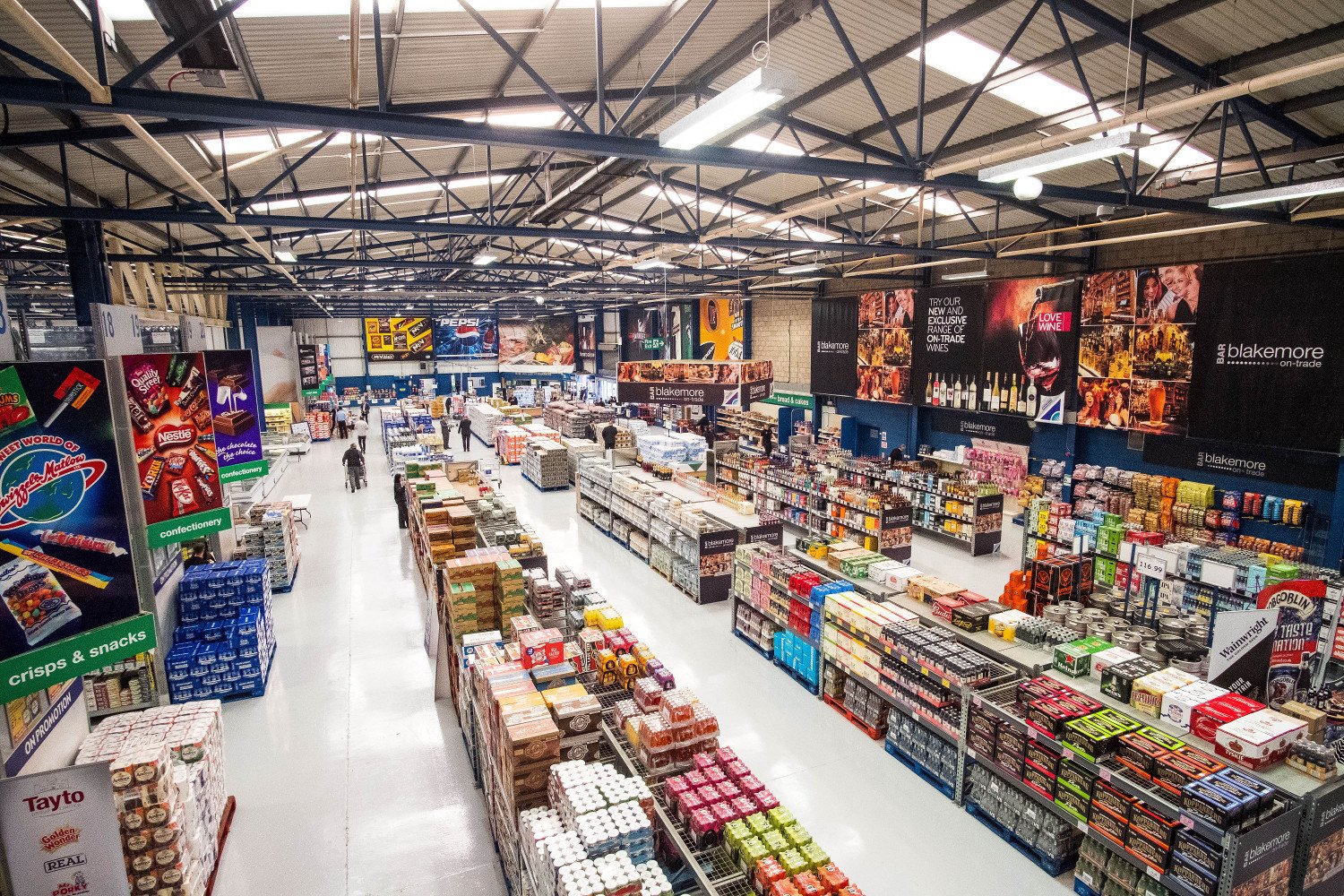
Evaluating the market leaders, Carrefour and Metro Cash & Carry, reveals how global retail standards are re-engineered for local survival. While both entities have introduced international efficiencies to the Twin Cities, their operational architectures target distinct layers of the economic ecosystem.
| Operational Pillar | Carrefour Pakistan | Metro Cash & Carry (Islamabad focus) |
| Target Audience | Primarily Household/End-consumers; focuses on “one-stop shop” convenience for everyday necessities. | Dual focus on Household and “M-Professional” segments (HoReCa, Offices, and Institutions). |
| Procurement Strategy | Hybrid: Centralized for global imports; Decentralized local sourcing to empower regional farmers and manufacturers. | Bulk-centric procurement designed for professional traders, small businesses, and “Kiryana” stores. |
| E-commerce / Digital Integration | Comprehensive mobile platform featuring home delivery and click-and-collect; utilizes data for personalized consumer marketing. | Advanced B2B tools: M-Professional for HoReCa ordering and M-Shop for real-time trader inventory/price tracking. |
| Value-Added Services | High-penetration Private Labels (emphasizing organic/plant-based) and data-driven loyalty programs. | Live Bakery, dedicated parking, and a massive portfolio of “Own Brands” including Sigma, OK, Tarrington House, Metro Chef, and Metro Professional. |
The primary strategic divergence lies in their specialized market engagement. Metro maintains a competitive stronghold on the B2B trader ecosystem through its M-Professional and M-Shop solutions, providing the stock visibility essential for small-scale merchants. Conversely, Carrefour prioritizes brand equity through aggressive private-label development, specifically targeting health-conscious end-consumers with organic and plant-based innovations. Both entities leverage localized procurement to mitigate the risks of regional logistics delays.
3. Regulatory and Environmental Barriers to Scalability
Operational excellence is neutralized if a firm cannot navigate the bureaucratic friction of Rawalpindi’s regulatory environment. According to “Doing Business” indicators, Rawalpindi ranks 10th out of 13 Pakistani cities for ease of doing business, presenting formidable structural challenges to physical retail expansion.
These barriers include:
- Construction and Infrastructure Costs: Developing a standardized warehouse is burdened by extreme costs and delays. Permit fees reach a staggering 473.1% of the total warehouse value, with a timeline for completion averaging 152 days.
- Legal and Contractual Risks: The enforcement of contracts is a major point of failure, requiring an average of 1,505 days to resolve disputes—the longest among major hubs.
- Utility Integration: Interfacing with IESCO (electricity) requires an average of 70 days, while water and sewerage connections via WASA add another 25 days of delay.
These high entry and maintenance costs create a fundamental flaw in the traditional “brick-and-mortar” expansion model. The inability to scale physical locations at the pace of population growth has acted as a primary catalyst for the digital-first pivot currently observed in the market.
4. Critical Evaluation of Business Model Flaws in the Local Context
Strategic flaws in this sector are rarely internal failures; they are misalignments between corporate strategy and local consumer sentiment. The most pressing vulnerabilities include:
- The Price-Value Trust Gap: Social media sentiment, particularly regarding Commercial Market hubs like Bin Irfan Mall, highlights deep consumer skepticism. Reports of a discrepancy between expected “reasonable” pricing (1,500 PKR) and actual shelf prices (4,000–5,000 PKR) damage brand equity and drive consumers back toward informal wholesale markets.
- “Doing Business” Friction: Rawalpindi’s poor performance in Trading Across Borders (ranked 12/13) creates supply chain fragility. Models that rely on centralized hubs are highly vulnerable to logistics bottlenecks compared to those with localized sourcing.
- Physical Store Inaccessibility: While the APP survey indicates a massive demand for convenience, the 152-day lead time for physical construction means growing suburbs remain underserved. Consumers are forced into congested traditional markets, creating a vacuum that only digital transformation can fill.
5. Strategic Recommendations for Improvement
To achieve long-term market capture, retailers must prioritize value-chain transparency and digital native convenience to bypass regulatory and physical limitations.
- Aggressive E-commerce Integration: Retailers must leverage the online shopping boom. Per the APP survey, online shopping is increasingly popular among women who seek to avoid crowded stores, save on traveling expenses, and gain flexibility. Digital storefronts allow brands to bypass the 152-day delay and 473.1% permit costs associated with new physical builds.
- Transparency and Loyalty Gamification: To bridge the trust gap identified in the Bin Irfan Mall social feedback, firms must evolve programs like Metro Rewards. Integrating transparent pricing notifications and real-time discount alerts within these apps will help combat the perception of “deceptive” pricing.
- Fintech and SME Ecosystem Support: Large-scale retailers should integrate tools like Metric for automated SME accounting and Digi Dokaan for rapid e-commerce store setup. Supporting the “Kiryana” segment with automated ordering and financial management tools solidifies the retailer’s position as an essential partner to small traders.
- Localized Supply Chain Resilience: Given the regional rank of 12/13 in border trade, firms must maximize decentralized procurement. By empowering local farmers and manufacturers, retailers can mitigate the risks of centralized logistics failures and build a more resilient, responsive supply chain.
Outlook: The Rawalpindi-Islamabad retail sector is shifting away from physical footprint dominance toward digital-native agility. The winners in this market will be those who successfully merge global operational efficiency with localized, transparent, and digitally accessible service models.
About the Author