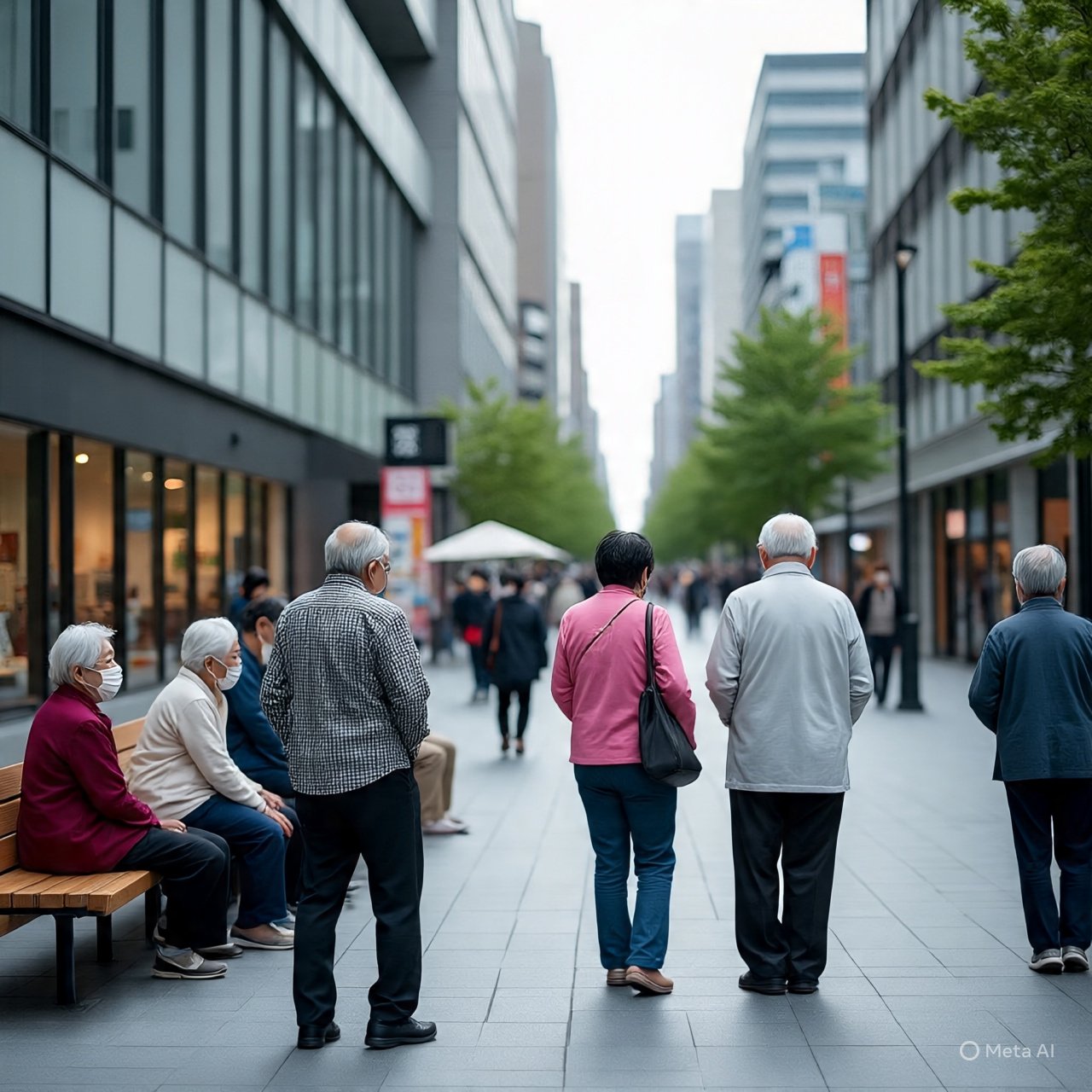
In the shadow of Hokkaido’s snow-dusted Niseko ski slopes, the small town of Kutchan hums with the energy of Japan’s expanding $50 billion tourist industry, which is the country’s second-largest export after automobiles. With only 17,000 residents, Kutchan thrives on the influx of visitors drawn to its world-class resorts, but beneath the picturesque charm of red-roofed buildings and Mount Yotei’s distant silhouette, a bitter dispute is brewing—one that reveals Japan’s deeper struggle with an ageing, shrinking population and its strained relationship with immigration. At the heart of the conflict is a barren stretch of ground that was once a potato field, where developers intend to build accommodation for up to 1,200 seasonal workers, most of whom are foreigners. These labourers are the backbone of Kutchan’s economy, staffing hotels, restaurants, and construction projects to accommodate the influx of tourists. However, local residents are protesting, petitioning the government to halt the project. They express concerns about diminishing safety and social order, echoing a broader national fear of admitting immigrants into a society that has always valued cultural uniformity. Foreigners account for only 2.3% of Japan’s population, but during peak seasons, they can make up 22% of the town’s residents, one of the highest ratios in the country. Kutchan’s situation is a microcosm of Japan’s population crisis. The country’s population has shrunk from 128 million in 2008 to 125.4 million in 2022, with 29.9% of the population aged 65 or older in 2023—a proportion expected to rise to 34.8% in 2040. The working-age population has shrunk from 87 million in 1997 to 74.2 million in 2022, leaving rural towns like Kutchan especially depleted. Japan’s fertility rate, 1.26 births per woman in 2022, is significantly lower than the 2.1 required to sustain a steady population. Births fell to a historic low of 758,631 in 2023, but increasing life expectancy raises healthcare and pension costs, accounting for more than 30% of the national budget. This diminishing workforce strains tax revenue and undermines economic growth, with businesses such as tourism, healthcare, and construction facing the most pressure. The tourism boom in Kutchan helps to support the local economy, but the town lacks the workforce to keep it going. Foreign labourers have become indispensable, yet the opposition to their presence indicates a profound cultural strain in Japan. The country has gradually extended its doors with measures such as the Specified Skilled Worker visa, but these initiatives have done little to alleviate labour shortages or increase birth rates. Subsidies for families and childcare help have collapsed, and while automation and robotics, particularly in eldercare, provide some respite, they cannot totally replace humans. The projected Kutchan housing facility has sparked controversy, putting Japan’s capacity to reconcile economic necessity with social unrest to the test. As the country’s population is expected to fall to 87 million by 2070, little communities like Kutchan will serve as early battlegrounds for the tensions that will undoubtedly spread across the country. Rural areas suffer the most from depopulation, whilst urban hubs such as Tokyo remain stable. However, the question remains: can Japan accept the immigration it requires to exist without jeopardising its social fabric? Kutchan is at a crossroads right now. Its ski slopes bring visitors from all over the world, but its future depends on whether it can welcome the workers who keep those slopes open. The argument over a single housing project symbolises a nation wrestling with its identity, economy, and the harsh realities of a future in which change is no longer an option.
About the Author