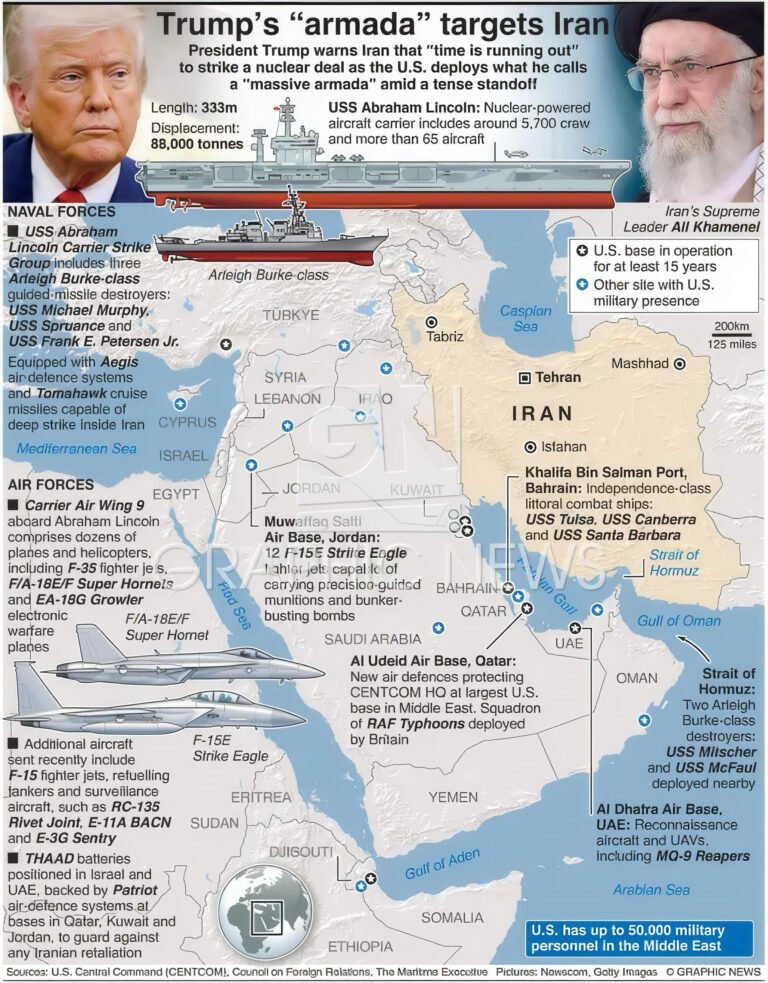



In a world where a single spark can set entire forests ablaze, the threads of fate weave a complex tapestry. The modern era binds us all—nations, economies, and souls—in a shared dance of fortune and ruin. Natural calamities, wars, economic tremors, climate shifts, and even the unrest of societies no longer belong to one corner of the globe; they ripple across borders, touching every life. The American recession of 2008 was no mere storm—it was a tidal wave that swept the world into its churning depths. Just last week, a tiny glitch, a digital spark, grounded every plane in Europe’s skies, silencing the hum of airports. And who could forget 2019, when a lone virus, invisible yet relentless, locked humanity within their homes? The stock market’s fleeting stumble can send billions of dollars skittering across the globe in a single day. The clash between Russia and Ukraine ignited an energy crisis that darkened homes far beyond their borders. In the Israel-Gaza conflict, Yemen’s blockade of the Red Sea stretched sea routes like a taut bowstring, costing the world billions in losses.
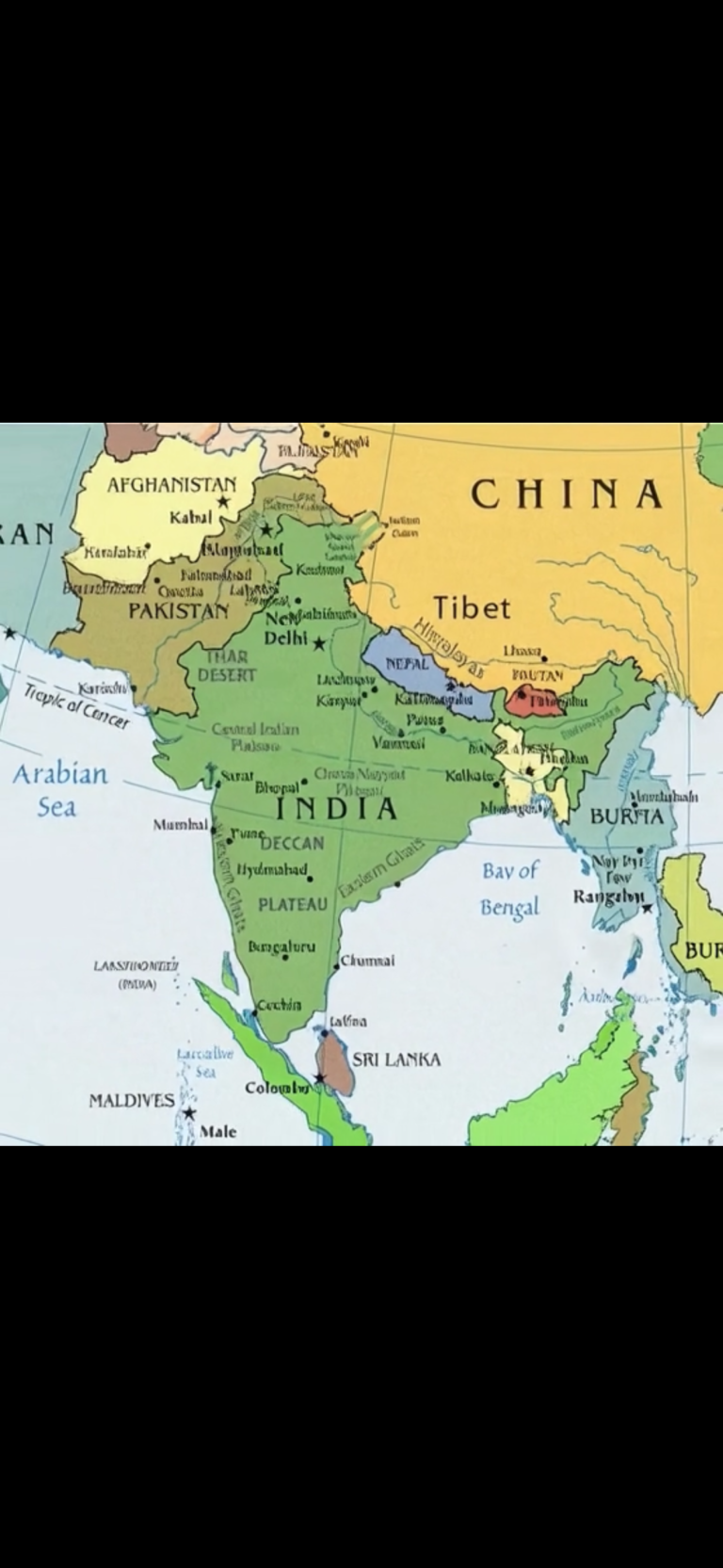
Once, security was a simple matter of soldiers and swords, when the world was carved into neat little boxes called nations, and geopolitics played by older rules. A state’s safety was a small, contained thing, like a candle flickering behind closed doors. But now, the world is a global village, its every corner tethered to the next. India, it seems, has yet to learn this truth. The fiery rhetoric of the BJP’s leaders, brimming with provocation, reveals a dangerous ignorance: words can wound deeper than weapons. In the grand chessboard of geopolitics, nations move to maximize their own gains, but India, it appears, is too enamored with counting down to its own peril. Long ago, in the tribal days, clans hurled lives into the flames of pride. Modi ji, it seems, is reaching back to those primitive tactics, wielding them in the sleek, interconnected 21st century.
Picture this: April 30, 2025. Narendra Modi, with a theatrical flourish, channels a beloved line from the Bollywood classic Dilwale Dulhania Le Jayenge: “Go, Simran, live your life!” But instead of a romantic hero, he’s addressing his three service chiefs, his voice ringing with magnanimity. “Pick your targets, do as you please—I give you free rein!” The military leaders, especially the Air Force’s top brass, stare at their Prime Minister, their faces a canvas of disbelief. What response could possibly match such a reckless command? By May 8, 9, and 10, the weight of that moment dawns on Modi and his political allies. The folly of April 30 becomes a shadow India will carry for years. Now, the Air Chief must perform a public dance of reassurance, proclaiming to the world, “We’re fine, and we wish you well!” Yet, behind the scenes, the Chief of Defence Staff, corps commanders, and senior Air Force officers speak freely in seminars and interviews, their voices heavy with worry. They call for urgent upgrades to the air force and lament the corruption riddling the procurement of war supplies. Modi ji, it seems, misses the point entirely: his military leaders are waving a white flag, not out of defeat, but exhaustion. They’ve read Sun Tzu, the ancient master of war, who taught that victory demands knowing both your enemy and yourself. Know only yourself, and triumph will be a coin toss. Know neither, and defeat is your only destiny. Sun Tzu warned rulers to steer clear of meddling in strategy, yet Modi ji strides boldly into the fray.
A leader of undeniable charisma, Modi knows much—but not enough to restore the BJP’s tarnished prestige, which gnaws at him like a persistent ache. He dreams of impossible feats: catching fish on dry land, hunting deer in rushing rivers. This delusion, this “wishful thinking,” has haunted him and his forces for five months. Even with dominance in the information war, they stumble, unable to bend the world’s algorithms to their will. The failure of “Simran”—the armed forces—has slammed the brakes on South Asia’s trajectory, reshaped global politics, and slowed India’s once-sprinting march toward progress. One can only hope Modi ji’s next misstep will nudge India closer to the abyss. As Sun Tzu would advise, before charging into battle, consult your forces. Ask them, “Can you fight?” And then, turn your gaze to your foe—study their strength, their training, their spirit. Only then can you hope to win.