

Since the beginning of the 20th century, a symphony of ideas and big dreams has set the world’s pace. All of these ideas and hopes are meant to make the world a better place. The never-ending search for power has led to chaos, two world wars, and the tense standoff during the Cold War. The end of the Soviet Union was not the end; it was a change. The fight against terrorism began. For the last 125 years, the only thing that has stayed the same is conflict in all its forms. Cyberwarfare is highly destructive capability that is changing the balance of power around the world right now.
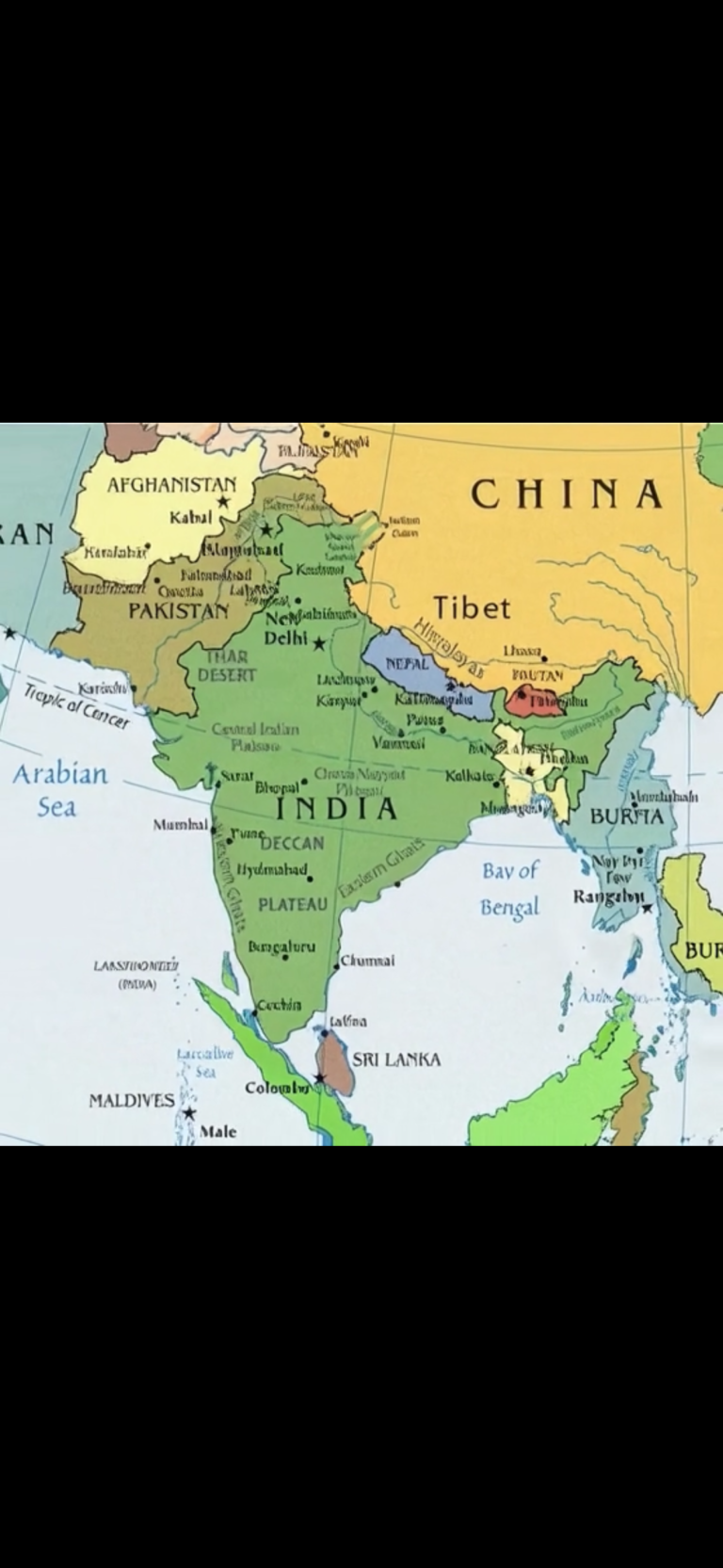
Change is like a tornado, and the world is on the edge of a cliff. AI’s rise has changed how things work in the world. Non-state actors, who are like wild cards in the game of nations, have joined the fight and changed the balance of power. Like stars in a stormy sky, new alliances form as the old guard tries to change. People are curious about India’s part in the world drama and where it fits in.
The BRICS poses another challenge to global security. It primarily comprises countries such as Brazil, Russia, India, China, and South Africa, was established to promote cooperation and economic growth among emerging economies. BRICS represents a challenge to western domination and aims to enhance its place in global governance. BRICS may not threaten the US dollar in the medium run, but it could evolve similarly to the euro or facilitate trade among BRICS members, contributing to a multipolar reserve currency system. The potential impact of a BRICS currency is still uncertain due to limitations and challenges faced by member nations.
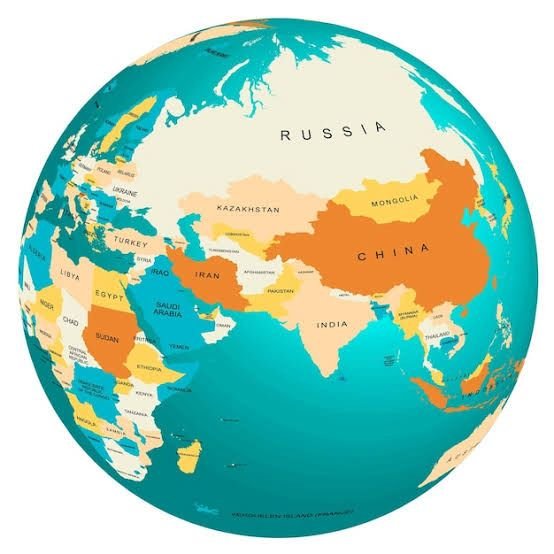
In 1904, Halford Mackinder said that the world was like a big “World Island” with the “Heartland” in the middle. He thought that this central area, which stretches from European Russia to the Pacific, was the key to world power. His Eurocentric view, which often downplayed America’s strength, affected plans in the 20th century, especially during the Cold War power struggle. But his vision of a united Heartland has not been put to the test; it has only lived on as a haunting prophecy.
Mackinder also thought that the U.S. could build a maritime empire that would rule over a Caribbean “Mediterranean” with Cuba, Hawaii, and Jamaica as its most important islands. His ideas spread, and they gave Alfred T. Mahan the idea of sea power. China’s naval goals in the twenty-first century are still based on Mahan’s ideas. Mahan said that a strong navy should protect trade routes and energy flows, so China wants to control important maritime chokepoints.
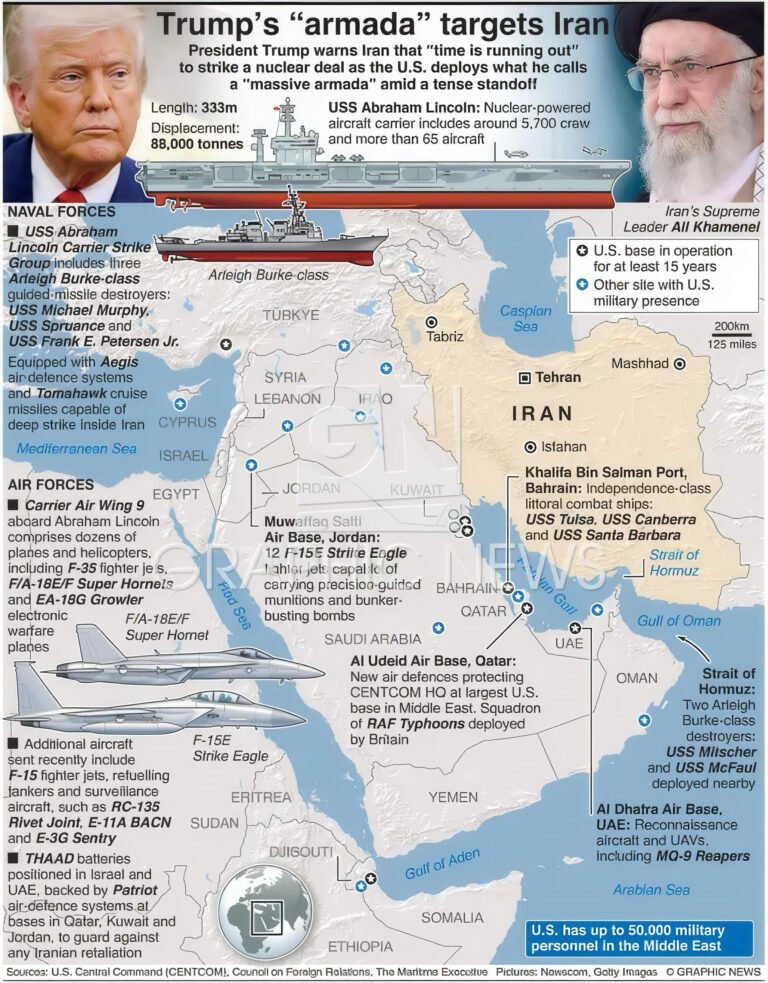
Russia, China, Iran, and North Korea have made a strong alliance that stretches from the Gulf to the Mediterranean and from Japan’s coasts to Norway’s fjords. This group of countries has three nuclear powers and is about to add a fourth. The US has never had to deal with this before. China is getting stronger in the South China Sea, and its influence is slowly spreading to the Philippines and Indonesia. This is changing the rules for naval power.
In 1989, Francis Fukuyama said that history was over and that Western liberal democracy had won out over other ideas. After the Soviet Union fell, it seemed like capitalism had beaten authoritarianism, communism, and fascism. But the ghosts of corruption and cronyism stayed around, unchecked, making people doubt the honesty of democracy.
Samuel P. Huntington’s 1996 book, The Clash of Civilizations, called global conflict a “cultural kaleidoscope.” This changed how people thought about it. Instead of the ideological wars that happened during the Cold War, there are now wars between civilizations, such as Western, Confucian, Islamic, Hindu, and others. These fights are based on the past, beliefs, and customs. He said that globalization would make the world smaller and that differences in culture would cause violence. This includes the rise of Orthodox Christianity and the growing tension between Islam and the West. At its best, the West used the idea of a “global community” to keep things in order. Money is moving to Asia now, so the East is the new center of gravity.
Barry Buzan’s 1998 analysis, which focused on examining different sectors of society for security concerns, sparked another idea for a more comprehensive security approach. The idea is that different parts of society have different security threats and responses. Each “sector” has its own set of rules, people, and ways of keeping safe. Security isn’t just one thing (though it’s often linked to military threats). Sectoral analysis breaks down the security landscape into separate but related sectors, such as political and military. Economy and environmental security, which includes things like natural resources and climate change. Securitization is an important part of security analysis that looks at how an issue is framed as a threat to life that needs immediate action.
Another way to see things that makes the hidden structure of world politics clearer is structuralism. It has changed how we think about alliances and rivalries since the Cold War ended by showing how structures and power dynamics affect what countries do. Corporations, non-governmental organizations, and secret networks are some of the non-state actors that have appeared and are trying to take away the power of nations. We need to learn more about the different kinds of power that exist in this new, chaotic time because their power makes the world chessboard harder to understand.