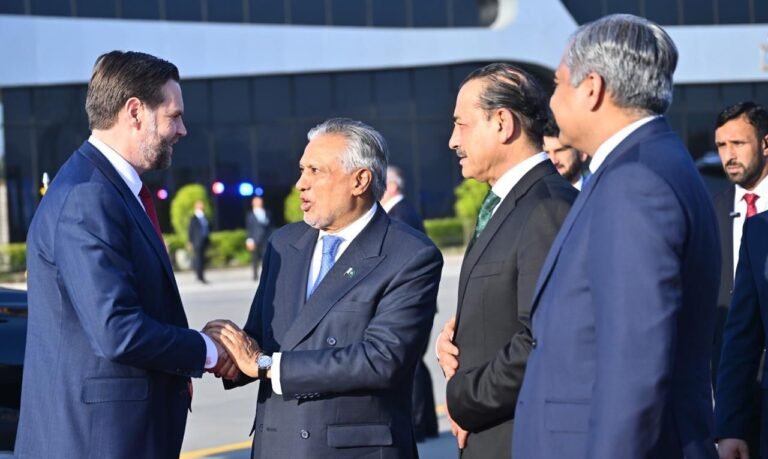


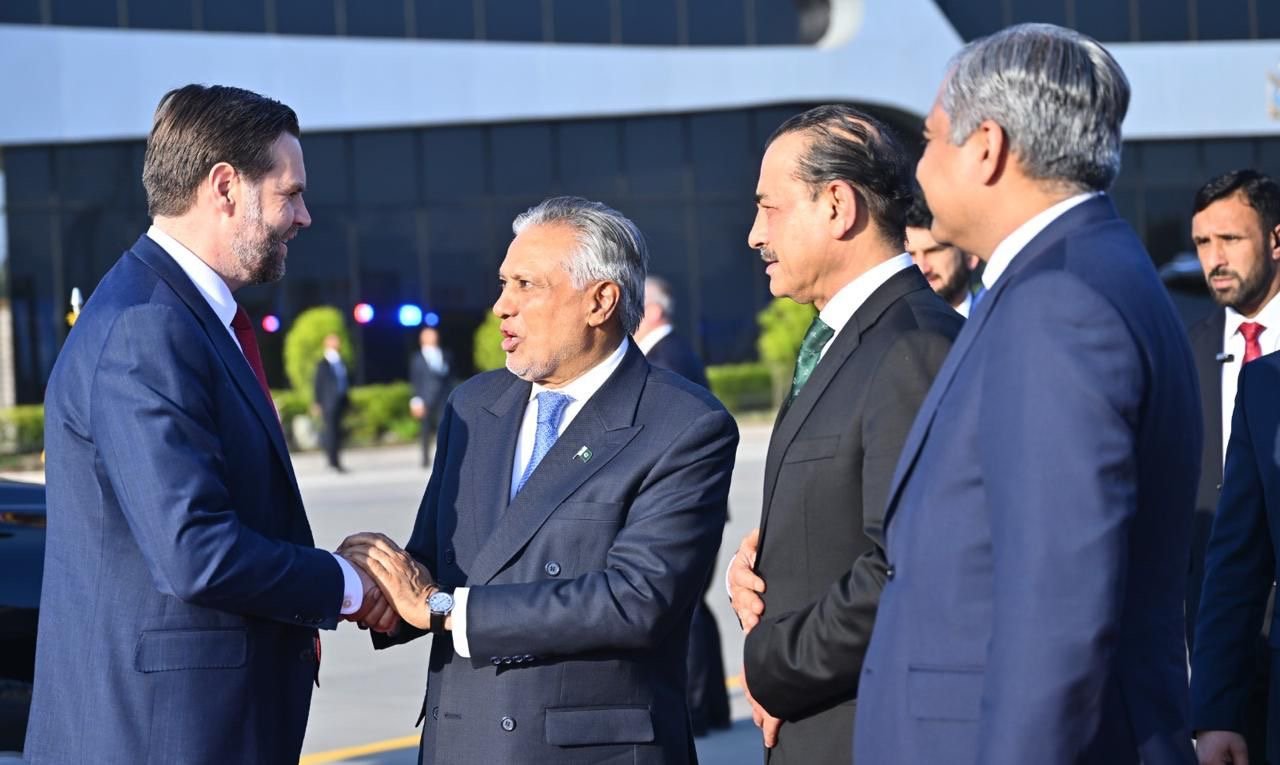
Contextual Overview of the Islamabad Summit
The Islamabad Summit of April 2026 represents the most significant diplomatic engagement between the United States and the Islamic Republic of Iran in over four decades. This high-stakes encounter followed a brutal 39-to-40-day kinetic conflict that had only recently transitioned into a fragile ceasefire. The gravity of the situation was underscored by Pakistan’s deployment of fighter jets to Saudi Arabia under a mutual defense pact, signaling a region on the precipice of total war.
The negotiations, led by U.S. Vice President JD Vance and Iranian Foreign Minister Abbas Araghchi, spanned a grueling 21 hours. Despite the marathon duration, the talks collapsed on Sunday morning without even a partial agreement. The Iranian Foreign Ministry characterized the proceedings as occurring within an “atmosphere of mistrust,” a sentiment that JD Vance’s subsequent rhetoric sought to capitalize on by framing the breakdown not as a failure of diplomacy, but as a calculated decision by the Iranian leadership.
1. The Rhetoric of the Ultimatum: “Best and Final Offer”
Vance’s primary rhetorical tactic was the deployment of “finality” language. By characterizing the American position as the “final and best offer,” Vance employed a closure mechanism designed to terminate the diplomatic timeline. This serves to frame the United States as the “reasonable” actor that has exhausted all avenues of flexibility, thereby casting any Iranian hesitation as a rejection of peace itself.
This clash is best understood through the lens of Temporal Framing. While Vance used his remarks to signal the end-state of negotiations, the Iranian delegation, through spokesperson Ishmael Baghei, sought to expand the timeline, arguing that a comprehensive resolution to decades of conflict could not realistically be achieved in a “single session.”
| Feature | Vance’s “Finality” Rhetoric | Iranian “Temporal” Perspective |
| Negotiation Status | “Final and best offer” signifies the end of the diplomatic window. | “One session” is insufficient for a complex deal; talks are a process, not an event. |
| Perception of Demands | Clear “red lines” and reasonable accommodations were presented. | American “excessive demands” and an “unrealistic” spirit prevented progress. |
| Agency & Initiative | The US reached its limit of flexibility; the process is concluded. | Iran presented “new initiatives” that require continued consultation. |
2. Shifting the Burden: The “Choice” Framework
A critical component of Vance’s discourse was the construction of a unilateral narrative of Iranian intransigence. By stating, “Iran has chosen not to accept our terms,” Vance strategically shifted the moral and political responsibility for the resumption of hostilities entirely onto Tehran. This “Choice” framework is a deliberate attempt to preemptively neutralize domestic and international criticism regarding the rigidity of the Trump administration’s negotiating stance.
Vance’s rhetoric effectively erased the Iranian narrative—which claimed that Tehran had offered “new initiatives” and that the U.S. was “looking for an excuse to leave.” By reducing a complex geopolitical deadlock to a binary “choice,” Vance simplifies the discourse for a domestic audience, positioning the administration as having “made the offer” while the opponent “chose the war.”
3. Asymmetric Stakes and Implicit Threats
Vance’s remark, “I think that’s bad news for Iran much more than it’s bad news for the United States of America,” functions as a rhetorical assertion of Power Asymmetry. This statement is not merely an observation but a kinetic deterrent. It signals that the United States is psychologically and militarily prepared for the collapse of the ceasefire and the return to “missiles and bombs.”
This rhetoric aligns with the “Trumpian” threat of “total destruction” identified by political analysts like Steven Golop. By emphasizing that the U.S. is “comfortable” with the failure of the talks, Vance underscores a chilling reality: because Iranian nuclear facilities have already been largely “obliterated” during the preceding 40 days of war, the U.S. perceives its remaining leverage as absolute. The subtext is clear—the U.S. has less to lose from a return to violence than an Iran already reeling from systemic bombardment.
4. Shifting Negotiation Goalposts: From Facilities to “Commitment”
The analysis reveals a sophisticated shift in U.S. demands from material degradation to psychological and legal “affirmative commitment.” Despite acknowledging that enrichment facilities were destroyed in the opening month of the war, Vance justified the diplomatic “red line” by citing a lack of “clarity” regarding future intent.
- Material Reality: Physical enrichment capabilities have been neutralized through kinetic action.
- The New Demand: A “verifiable commitment” that Iran will never seek the “tools that would enable them to quickly achieve a nuclear weapon.”
By moving the goalposts from the physical (the facilities) to the intangible (the “commitment”), Vance’s rhetoric functions as a “rhetorical erasure” of previous military gains. This shift allows the administration to maintain maximum pressure and justify the refusal of “immediate relief” (such as sanctions removal) by demanding a level of psychological certainty that is inherently unachievable in an “atmosphere of mistrust.”
5. The Rhetoric of Omission: The Strait of Hormuz Silence
Perhaps the most glaring feature of Vance’s briefing was his total silence regarding the Strait of Hormuz. While maritime authorities and Iranian officials cited control of the waterway, mine-clearing operations, and the imposition of “tolls” for war reparations as “fundamental sticking points,” Vance excluded these issues from his public summary.
This omission serves as a Strategic Narrowing of the conflict. By ignoring the economic and territorial complexities of the Strait—where the UN maritime chief has already rejected Iranian toll claims—Vance de-complexifies the narrative. He reduces the conflict to a singular “Nuclear vs. No Nuclear” binary. This allows the U.S. to bypass the uncomfortable reality of Iran’s remaining strategic resources, such as its ability to blockade global energy supplies, and keeps the domestic focus on the existential threat of proliferation.
6. The “Trump Loop” and External Authority Validation
Throughout his remarks, Vance utilized an External Validation Loop, repeatedly referencing his “constant communication” with President Donald Trump and other hardline figures like Marco Rubio. This rhetorical appeal serves two functions:
- Insulation from Failure: By positioning himself as a direct conduit for Trump and Rubio’s “Hard Line,” Vance ensures that the collapse of the talks is viewed as a triumph of American resolve rather than a personal diplomatic failure.
- Unified Front: It signals to the domestic base and the Iranian delegation that there is no “daylight” between the negotiators in Islamabad and the executive power in Washington. Vance uses these names as “rhetorical anchors” to confirm that no “weak” concessions were even considered, validating the “core goal” of the President over the pragmatism of a deal.
7. Summary of Discourse Findings
The rhetorical architecture of JD Vance’s Islamabad briefing rests on three primary pillars:
- Framing the Failure: Utilizing the “Choice” framework to shift agency and culpability to the opponent, thereby neutralizing potential domestic blowback from a failed peace process.
- Strategic Narrowing: Employing rhetorical erasure regarding the Strait of Hormuz and war reparations to de-complexify the conflict, reducing it to a binary demand for nuclear guarantees.
- Ultimatum Branding: Implementing “finality” language to signal the expiration of diplomacy, framing the return to kinetic warfare as a calculated risk the U.S. is willing to take, but one that will result in the ultimate “destruction” of the Iranian state.