

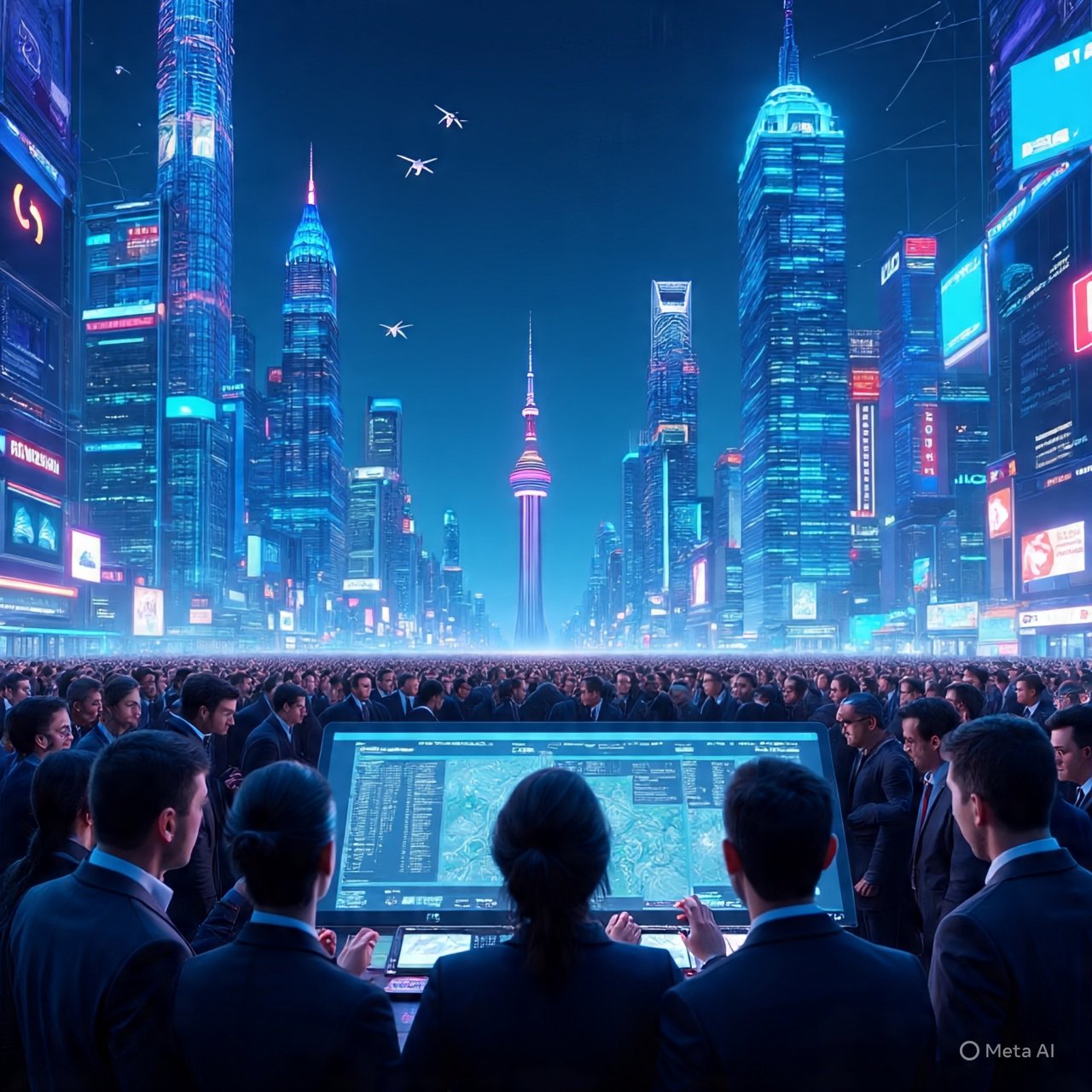
In 2025, social media platforms, fueled by artificial intelligence (AI), have become central to political warfare, reshaping how parties mobilize voters, craft narratives, and counter adversaries. With global social video consumption soaring to 65% (up from 52% in 2020), AI-driven tools like generative content, deepfakes, and personalized ads dominate campaigns, amplifying both engagement and disinformation risks. There are specific AI APIs which can generates ultra-realistic videos from text inputs, convert text into lifelike speech with over dozens of voices and languages,build conversational interfaces with automatic speech recognition and natural language understanding .Platforms are now key news hubs for 42% of users, driving political activism, while biases—such as X’s conservative lean—shape discourse.
This article analyzes AI-infused social media strategies of Pakistan’s PTI and PML-N, India’s 2024 Lok Sabha elections, AI’s role in European politics, and the US 2024 presidential race, highlighting their electoral impact and the transformative role of AI in politics, including the emerging threat of deepfakes.
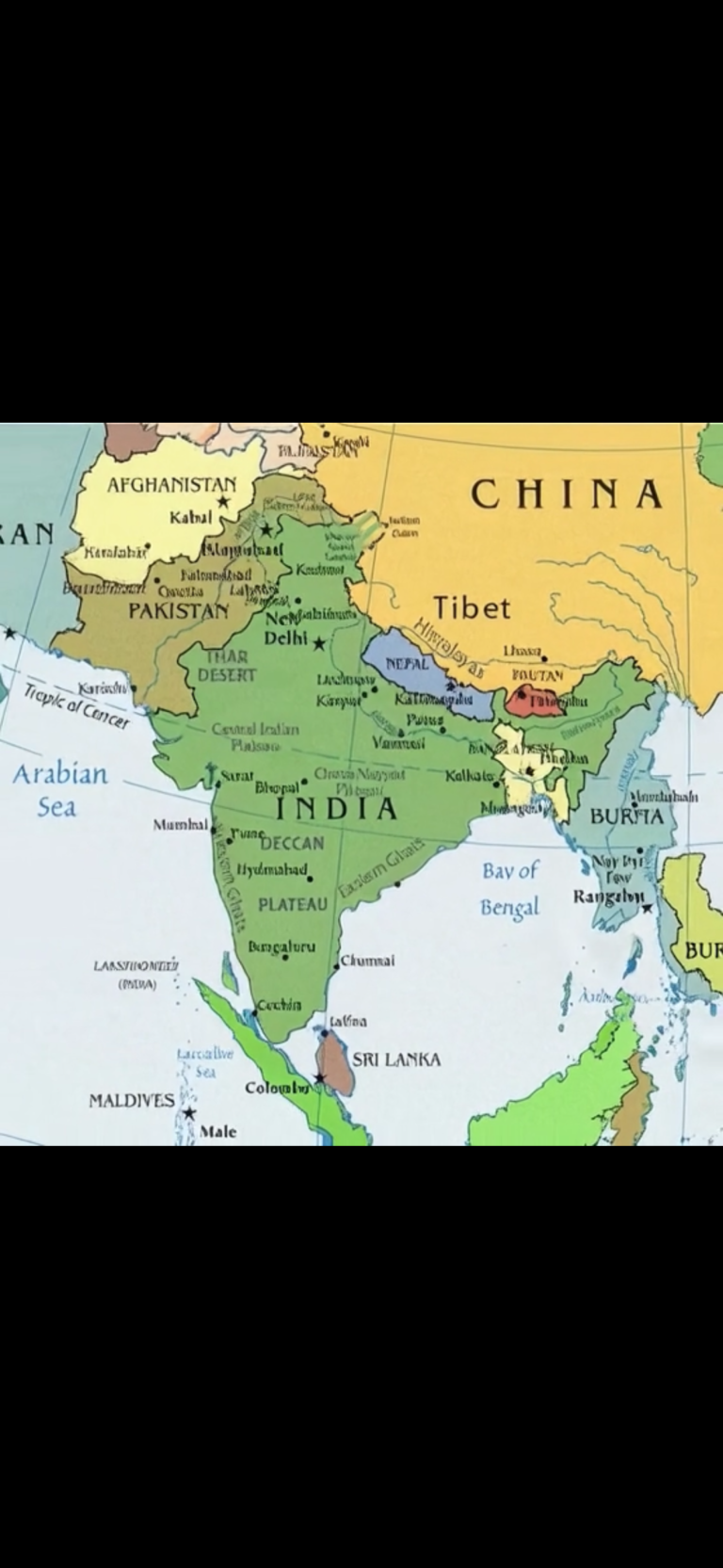
Pakistan’s digital landscape, with 87 million social media users and 45% young voters, is a hotbed for AI-enhanced political strategies. Pakistan Tehreek-e-Insaf (PTI), led by Imran Khan, dominates X with @ImranKhanPTI (21.27 million followers) and @PTIofficial (10.53 million), using AI-generated content like Khan’s speeches to bypass his imprisonment and rally supporters. On TikTok (@ptiofficial: 6.8 million followers), PTI pioneered rapid video production (up to 41 daily during 2023 protests), with AI-edited clips and hashtags like #ReleaseImranKhan (233.6 million views) evading censorship. AI tools analyze sentiment, optimize hashtags, and personalize content for youth, driving 100 million views in four days during crises. On Facebook (@PTIOfficial: 8.5 million), AI-driven bots (9-15% of accounts) amplify anti-elite narratives like #ImportedHakoomatNamanzoor, boosting 2024 election turnout (18.46 million votes).
PML-N, with @MaryamNSharif (8.18 million) leading on X, uses AI for targeted ads and sentiment tracking but lags in virality. Its TikTok (@pml.n.official1: 2.1 million) employs AI for emotive reels on infrastructure, though less agile than PTI. On Facebook, PML-N leverages AI to counter PTI’s narratives with hashtags like #TauheenEAwamNaManzoor, using predictive analytics to tailor content for Punjab voters. However, its 40% positive sentiment trails PTI’s 70%, reflecting AI’s limited impact without organic appeal . AI-driven misinformation risks, like fabricated posts, have sparked backlash for both, necessitating regulatory calls.
Similarly, India’s 2024 Lok Sabha elections, with 970 million voters, were a “digital war” powered by AI. The Bharatiya Janata Party (BJP) invested heavily in AI-driven micro-targeting, using generative AI for personalized ads and deepfake videos to amplify Modi’s image or discredit rivals. Tools like predictive analytics optimized WhatsApp campaigns, while AI-crafted memes humanized leaders, reaching 900 million internet users . The opposition, led by Congress, countered with AI chatbots for voter engagement and viral videos, but struggled against BJP’s data-driven dominance. Deepfakes, including fabricated clips of opposition leaders, went viral on YouTube and Instagram, with regulatory gaps enabling unchecked spread . AI analytics shaped real-time content strategies, though social media supplemented, not replaced, traditional canvassing .
BJP secured a third term with a reduced majority, but AI’s role in amplifying misinformation sparked 2025 policy debates, with calls for stricter digital regulations as state elections loom .
In Europe, AI’s integration into politics emphasizes regulation, sovereignty, and ethical deployment, contrasting with the aggressive campaigning seen elsewhere. The European Union’s AI Continent Action Plan, launched in April 2025, allocates €1 billion ($1.1 billion) to boost AI in key industries, aiming for global leadership amid US and Chinese dominance . The EU AI Act, with draft guidelines for General Purpose AI models published in July 2025, sets stringent rules to mitigate risks like deepfakes and misinformation in elections . Political parties increasingly use AI for voter analytics and personalized outreach, as seen in the 2024 European Parliament elections, where AI tools helped parties like the European People’s Party optimize social media campaigns on platforms like X and TikTok.
However, Europe lags in AI adoption, with concerns over privacy, US tech dependence, and valuation gaps (e.g., European Mistral AI at $14 billion vs. US giants). Calls for decoupling from American technology to build a “Eurostack” highlight sovereignty pushes. Global surveys show 53% trust in the EU to regulate AI, higher than the US (37%) or China (27%), underscoring Europe’s role as a regulatory model . In 2025, AI influences policy debates, from digital red tape reductions to ethical AI in governance, though adoption remains cautious compared to electoral weaponization in other regions.
The 2024 US presidential election saw $1.9 billion in digital ad spending across Meta, Google, and X, with AI transforming campaign dynamics. Donald Trump’s team used AI for hyper-targeted ads on TikTok and X, analyzing voter data to tailor toxic narratives on immigration and election fraud, achieving high engagement . Generative AI created viral deepfake ads, like falsified opponent speeches, amplifying disinformation on platforms with weak moderation. Kamala Harris’s campaign leveraged AI for diverse influencer outreach and video content, countering news fatigue with real-time analytics-driven posts .
AI-driven connected TV and retail media ads surged, crowding out non-political marketing, with 2025 trends projecting further growth in personalized video campaigns . Trump’s victory has spurred deregulatory shifts, potentially easing AI oversight, raising concerns about future election integrity .
AI’s political applications—generative content, sentiment analysis, and micro-targeting—have redefined campaigns. In Pakistan, PTI’s AI speeches sustained momentum during Khan’s detention, while PML-N’s ad optimization struggled to match. India’s deepfakes and the US’s targeted ads highlight AI’s power to sway voters but also its role in spreading falsehoods, with 53.9% of Pakistani voters and 60% of US voters citing misinformation concerns in 2024 surveys. 2025 trends emphasize AI’s integration with AR/VR for immersive campaigning and predictive models for voter behavior, but ethical gaps persist.
Deepfakes emerged as a hyped but limited disruptor in 2024 elections worldwide, polluting discourse more through fear than direct impact. Analyses of 78 cases show misinformation stems less from AI and more from traditional sources, though deepfakes shook faith in truth and deepened partisan divides . In the US and India, they amplified false narratives without swaying outcomes significantly, but experts warn of greater future threats as technology advances . Europe’s AI Act addresses this by mandating transparency for deepfakes in political contexts.
2025 trends highlight social activism and authenticity, AI’s political use demands oversight to curb disinformation.
From PTI’s TikTok innovations to BJP’s deepfakes, Europe’s regulatory push, and Trump’s AI ads, social media and AI have reshaped political landscapes. While empowering engagement, they risk deepening divides in low-trust environments like Pakistan, India, Europe, and the US. As 2025 unfolds, ethical AI frameworks and robust regulations are critical to ensure digital tools strengthen, rather than fracture, democratic processes.