

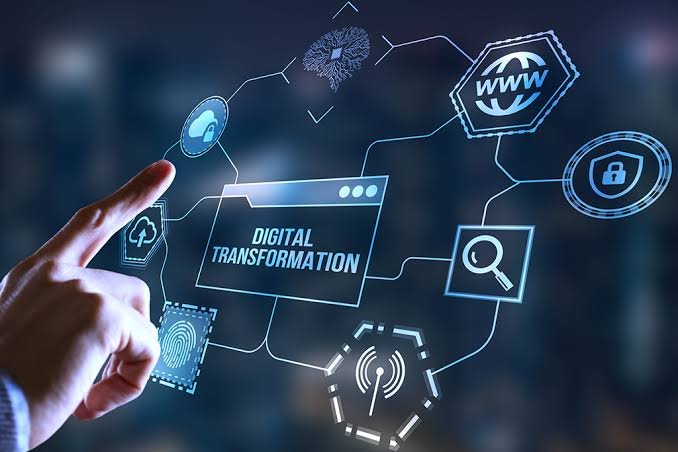
A silent digital transformation is taking place in Pakistan . Clicks, swipes, and digital aspirations are the units of measurement, not steps. Pakistan is no longer just a place with old bazaars and rich traditions. It has a digital army of 100 million individuals, with over 70% using smartphones. It is a country on the verge of a digital renaissance, with a young, tech-savvy population rewriting the rules of business, communication, and opportunity. The FinTech sector is at the forefront of this transformation. AI is making it easier for consumers to obtain loans and outwitting scammers. The National AI Policy 2025 is setting the standard, with a goal of training 1 million people by 2030 and using sandboxes to foster innovation. Pakistan is rapidly emerging as a global digital powerhouse. This is the narrative of a country redefining its perception of itself, with AI-driven FinTech and digital trends gaining traction. Consider Ayesha, a young businesswoman in Faisalabad, scrolling through Daraz on her phone during a rare quiet moment in her crowded textile shop. The internet marketplace is brimming with opportunities and feels like a more sophisticated version of her local market. AI-powered recommendation engines, which quietly study her browsing behaviour, guide her to a handwoven shawl she had no idea she needed. It corresponds to the patterns she has been looking at for her next collection. That suggestion is more than just a lucky guess; it is based on algorithms that analyse millions of clicks and can boost Daraz’s sales by up to 30%. Sadapay is a fintech app that Ayesha uses to pay for purchases. It’s more than just a wallet; it’s her financial companion. It employs artificial intelligence to analyse her shopping habits and recommend a micro-savings strategy that aligns with her aspirations of expanding her small business and possibly exporting to Dubai. When she enquires about transaction fees, an NLP-powered chatbot responds quickly in Urdu, reducing wait times to seconds and achieving a 71.5% customer satisfaction rate. This seamless interplay between e-commerce and FinTech is more than just convenient; it provides insight into Pakistan’s projected $60 billion digital economy by 2030, when every click counts. Pakistan’s brands are learning how to communicate with people in a world dominated by social media, not simply the digital marketplace. Consider Khaadi, a well-known local fashion company, who recently launched an Instagram home decor line. Influencers display vibrant cushions and detailed rugs, while AI tools that analyse social media conversations to determine what people desire make their posts even more popular. What exactly happened? Campaigns that feel personal, such as TAG, a FinTech firm that uses AI to create effective ads for financial products, increased click-through rates by 40%. Zara, a marketing genius in Islamabad, for example, uses AI insights to promote microloans for emerging artists. One day, her tailored advertisement reaches a potter in Multan, and they collaborate to make his handmade vases popular online. These companies are not just selling products; they are also communicating with individuals all around the world via stories on platforms such as X and Facebook. This is assisting Pakistan in its objective of becoming the world’s seventh-largest consumer market by 2030. Pakistan’s skill is more visible than ever in the freelance economy. Bilal is a Rawalpindi-based coder that works on AI projects through Upwork. This connects him to clients ranging from Silicon Valley to Singapore. 57.3% of Pakistani workers believe that digital skills are the most important thing for them, indicating that the demand for AI ability is rapidly increasing. The National AI Policy is strengthening this trend by teaching developers like Bilal how to use technologies such as TensorFlow and Azure AI. He is developing algorithms to help FinTechs detect fraud, allowing them to stay one step ahead of thieves. His code detected an unusual transaction pattern for a client in Lahore last month, preventing a loss that could have bankrupted a small firm. This is more than simply a pay cheque; it’s part of a 20% annual increase in freelance income. This is happening one line of code at a time, and it is transforming Pakistan into a global digital powerhouse. However, the true magic is taking place in mobile payments, where services such as JazzCash and EasyPaisa are changing people’s lives. These apps are a lifeline for Pakistanis without bank accounts, which number 50%. Imagine Ahmed, a farmer in Punjab’s countryside, standing in the blazing sun after a long day in the fields. He uses his old phone to pay for seeds from a supplier miles away, and the transaction is completed in seconds. AI safeguards critical moments, and machine learning models such as random forests can detect fraud in real time, lowering losses by 25-30%. AI-powered credit scoring is even more revolutionary. It can approve a microloan in less than 24 hours by examining unique data, such as how frequently Ahmed adds money to his phone or monitors market prices. This has raised approval rates by 35% while without placing defaults at danger. By 2030, a microfinance business growing at a 20% annual rate is estimated to contribute PKR 10-20 billion to Pakistan’s GDP. Ahmed used the credit to purchase better irrigation gear, transforming a dry season into a productive one. The information technology field also generates new ideas. FinTechs such as Kolachi are leveraging AI to simplify supply chain finance. They can match invoices so quickly that they have reduced the processing period for receivables by 42 days. Banks are also utilising AI. For example, time-series models can forecast cash flows, and compliance technologies can shorten audit timeframes in half to meet the State Bank of Pakistan’s criteria. Consider Fatima, who worked as a compliance officer at a bank in Karachi and spent many sleepless nights reviewing ledgers. AI now handles the tedious labour, identifying problems before they become problems. This affords her the opportunity to mentor incoming interns. The National AI Fund’s investment in 2,000 MW data centres improves efficiency while freeing up resources for new, ambitious ideas. It also fills in infrastructure gaps along the route. Pakistani inventors are gaining a lot of attention on social media. They captivate people all around the world with TikTok dances and YouTube vlogs, and they earn money through platforms such as JazzCash. AI tools help businesses make their content more engaging, while FinTechs ensure that payments go through smoothly. Brands utilise these producers to promote financial items, resulting in a pay-and-exposure loop that is redefining the definition of online success. Saad is a Peshawar-based comedian with millions of views on his humorous videos about ordinary life. A partnership with an AI-powered FinTech program transforms his quips into endorsements for simple savings plans, making him more money and encouraging his fans to be more financially savvy. This digital fabric is also designed to be sustainable. E-commerce sites use artificial intelligence to promote environmentally friendly products, resulting in a 15% boost in sales. FinTechs consider how investments influence the environment, while AI-powered smart grids improve the efficiency of renewable energy projects. This aligns Pakistan with a worldwide movement for a greener future. A community solar project in Gilgit-Baltistan is succeeding because AI analytics predict how much energy the residents would need. This enables people like Karim to power their homes without relying on unpredictable utilities. The project is supported by green micro-loans that FinTech AI investigated. This transition is centred on education. Coursera, IlmExchange, and the National AI Policy’s Centres of Excellence all assist students in becoming innovators. AI makes their trip distinctive by allowing them to learn Python or machine learning frameworks, which leads to improved fraud detection and credit rating. This is a group of workers capable of managing a modern economy. Sana is a Quetta student who is learning how to create chatbots using an AI-tailored Udemy course. Her project lands her a job at a FinTech company, where she develops tools to make banking more accessible in rural areas, bridging the gap between cities and rural areas. However, there are several issues that arise along the way. There are significant issues with data security, ethical AI, and infrastructural flaws. The National AI Policy is being strengthened with funds, sandboxes, and regulations to ensure that AI treats all Pakistanis fairly. The Agentic AI Hackathon 2025, which offers PKR 1.7 million in prizes, is inspiring creativity, with companies such as CodeAutomation.ai and DigiTrends leading the way. This is Pakistan’s time—a digital awakening where AI-powered FinTech will create a $60 billion market by 2030. Ayesha’s entrepreneurial initiatives, Ahmed’s excellent harvests, Bilal’s coding triumphs, and Sana’s creative moves all help to illustrate Pakistan’s story of inclusion and aspiration. The country is making a significant statement on the global stage, with e-commerce, digital marketing, and freelancing flourishing, as well as FinTech advances. Pakistan isn’t just catching up; it’s racing towards a future in which each swipe, click, and dream ushers in a new era of growth. This is due to continuous investment in talent, infrastructure, and ethical AI. This exciting change is more than simply technology; it is a collaborative endeavour that brings people together and offers them power. Young people are creating a sustainable economy that demonstrates the country’s various capabilities by leveraging their innovation and commercial acumen.