

An Analysis
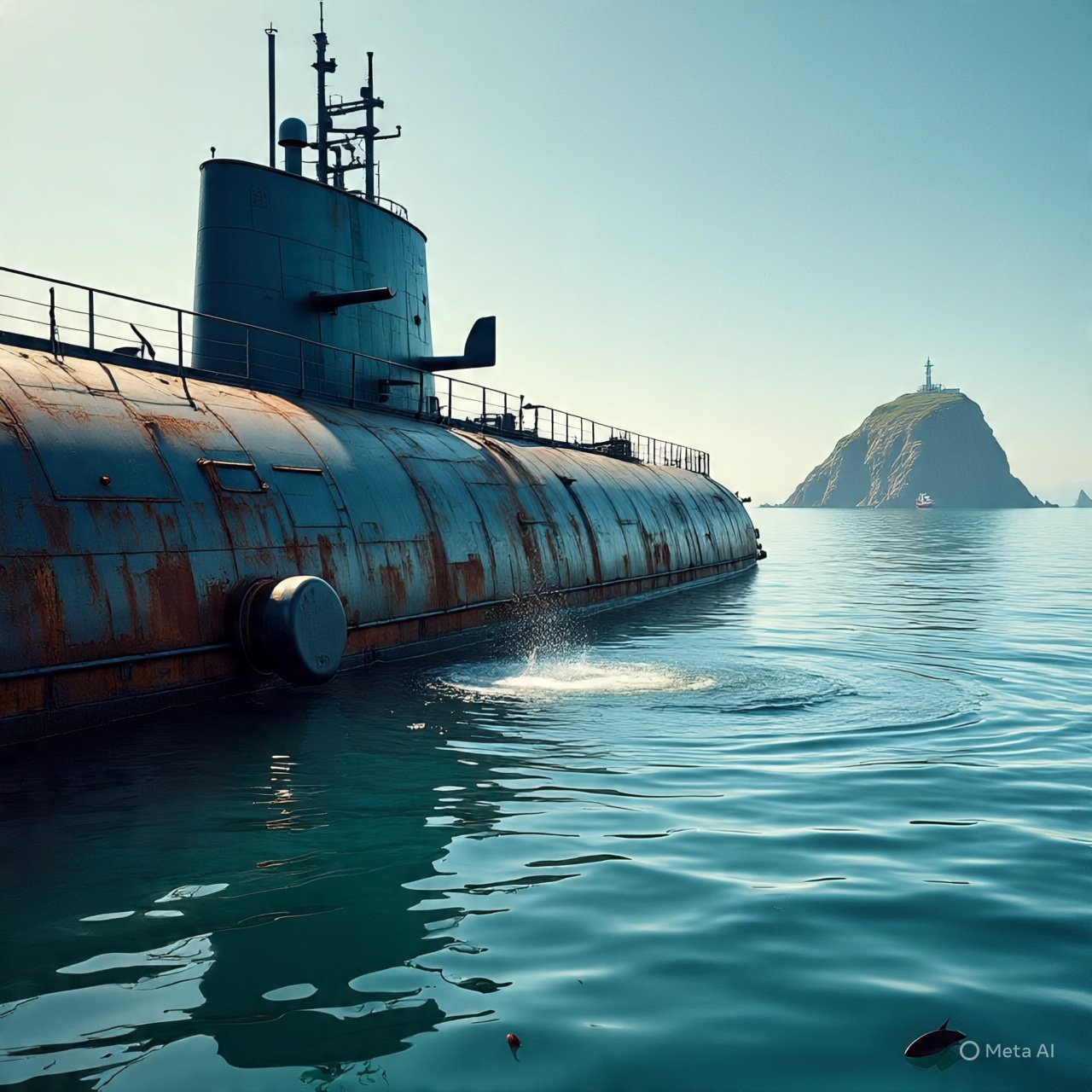
At the end of September that a 74-meter-long sub, Kilo-class Novorossiysk, which was reportedly by a telegram channel VChK-OGPU was on combat duty in the Mediterranean, had a mechanical problem.The Novorossiysk submarine was at risk of exploding, it said, and according to online sleuths, later surfaced, giving away its location.Since then, analysts have been wondering if it was a planned release or a real event.Either way, it is hazardous for the EU.The Strait of Gibraltar is one of the world’s most vital maritime chokepoints, a small waterway (approximately 8 miles wide at its narrowest) connecting the Mediterranean Sea to the Atlantic Ocean, surrounded by Spain (including the British enclave of Gibraltar) to the north and Morocco to the south.Over 100,000 ships pass through it every year, bringing everything from energy supplies to consumer items. It is a key route for global trade.When it comes to energy, the strait is very significant for Europe’s imports. It makes it easier for oil to flow from the Middle East (via the Suez Canal and then Gibraltar), liquefied natural gas (LNG) to come from sources like the US, Qatar, and Algeria, and refined products to come from North Africa.Problems here might slow down supply, especially for Western Europe, which depends on these channels for a large part of its energy security as it tries to move away from Russian sources beyond 2022.The submarine, which is part of Russia’s Black Sea Fleet and had just returned from operations near Syria, had to come to the surface near the Strait of Gibraltar when its fuel system broke down.This made the chance of an explosion very high because the leak entailed unstable diesel fuel combining with seawater in small areas, which could have caused a huge fire.The ship, which was around 242 feet long and had 52 crew members, had to stop being stealthy and show where it was.Even though it was officially called an “accidental breakdown”, some observers think it could have been planned or at least used as one to see how the West would react to a possible blockade, as Russia has used hybrid warfare techniques in important waterways before.Why a “Breakdown” Might Be Seen as a Test of a Blockade: Purposeful Positioning?The Russian submarine Novorossiysk is set up to acquire intelligence, attack ships, and mess up naval commerce.Its deployment in the Mediterranean, which is far from Russian home waters, is in line with Moscow’s ambitions to show might along NATO’s southern flank, especially near key allies like the UK (which controls Gibraltar) and Spain.If it was planned, a staged “malfunction” may let Russia move its ships in a way that makes international shipping have to change course or stop for a short time, testing how swiftly NATO or EU navies respond without starting a war.In the past, Russia’s submarines have been seen approaching underwater cables in the North Atlantic and its blockades during the Ukraine crisis, which have already made energy markets around the world more unstable.How disruption works:A submarine breakdown (real or staged) in or near the strait might create a hazard zone.It may need a security perimeter maintained by Russian ships that are nearby, or it may even have to follow international maritime rules for salvage or assistance, which would stop commercial traffic from passing through.If it sank or detonated, debris, environmental dangers (such as fuel spills), or rescue activities might stop travel for days or weeks.This isn’t the first time something like this has happened. The 2000 Kursk submarine catastrophe showed how problems with submarines may stop naval operations. Effects on Energy Prices and FlowsStopping Energy Flows:Europe gets around 10–15% of its crude oil and a rising share of its LNG through or around Gibraltar.There could be delays for Algerian gas pipelines and LNG exports to Spain and France, as well as US LNG tankers that go into the Mediterranean.If there were a blockade, ships would have to go around Africa (around the Cape of Good Hope), which would add thousands of miles and weeks to their journeys, reduce the number of tankers available, and make supply chains more difficult.This is especially bad right now because of tensions in the Middle East and fewer Russian shipments to Europe, which are making energy markets throughout the world more unstable.Prices Going Up: Short-term problems might lead oil prices to go up by 10% to 20% or more, like they did during earlier chokepoint crises. For example, the 2021 Suez Canal blockage caused prices to go up by 5% to 10%.Natural gas futures might rise considerably higher, given Europe’s substantial reliance on spot-market LNG.Brent crude and other benchmark prices could briefly rise to over $100 per barrel, which would make inflation worse and hurt businesses like transportation and manufacturing the most.Russia, which is a big exporter of energy, can benefit indirectly by raising the prices of its own supplies that are under sanctions.Breaking apart the EU * Effects on geopolitics:The EU’s energy dependencies are very different. For example, Germany and Italy have switched to LNG but are still vulnerable to price shocks. Spain and Portugal, on the other hand, are closer to Gibraltar and could see direct supply cutbacks.A Russian-planned event may take advantage of these differences:Eastern EU countries like Poland and the Baltics could want NATO to respond strongly, seeing it as aggression, while Western EU countries would rather calm things down to avoid economic damage.Like the arguments over Russian gas sanctions in 2022–2023, this might make the EU less united, which could make it harder for people to support Ukraine or impose greater penalties on Moscow. In a bigger sense, it tests NATO’s Article 5 commitments because Gibraltar is British territory. It might also make Russia more aggressive in other places, like the Baltic Sea.The Novorossiysk event seems to be caused by real technical problems (Russia’s ageing fleet has had trouble with upkeep), but its timing and location make people think that Russia is trying to find weaknesses in the West.If Russia wanted to, it could use this as a low-risk approach to put pressure on the US without starting a full-scale conflict. This shows how fragile global energy routes are during a time of great-power competition.