

The Chokepoint Crisis: How the World is Navigating the Iran War Energy Shock
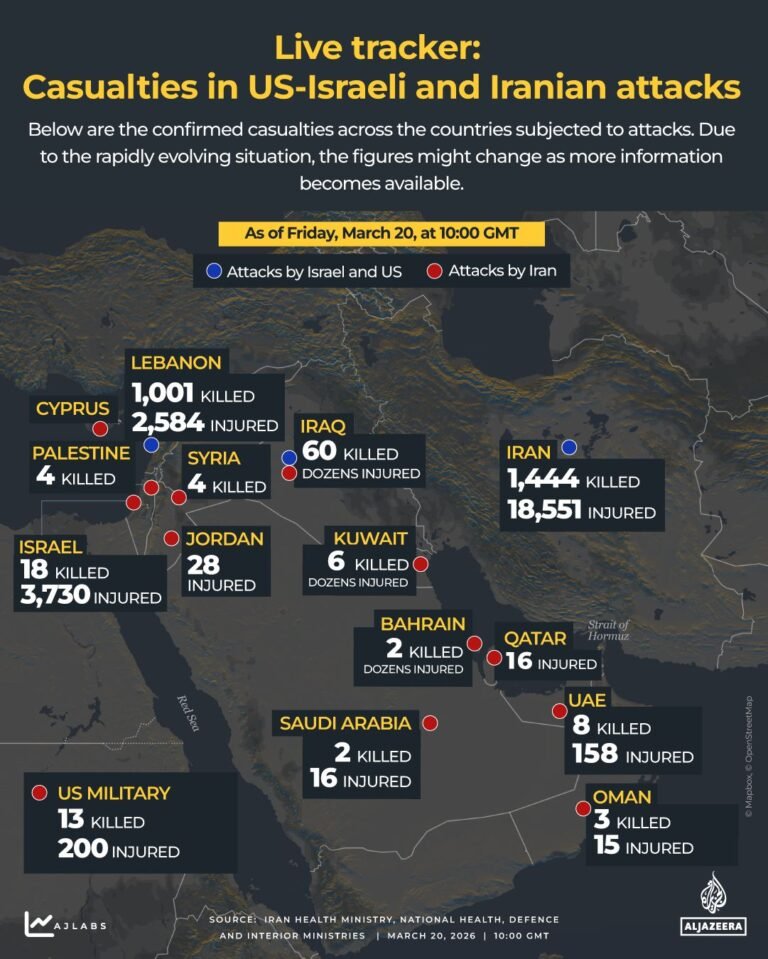
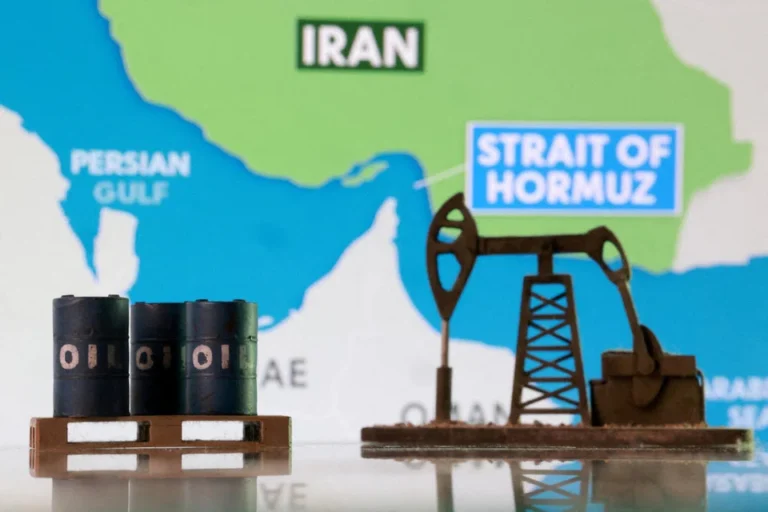
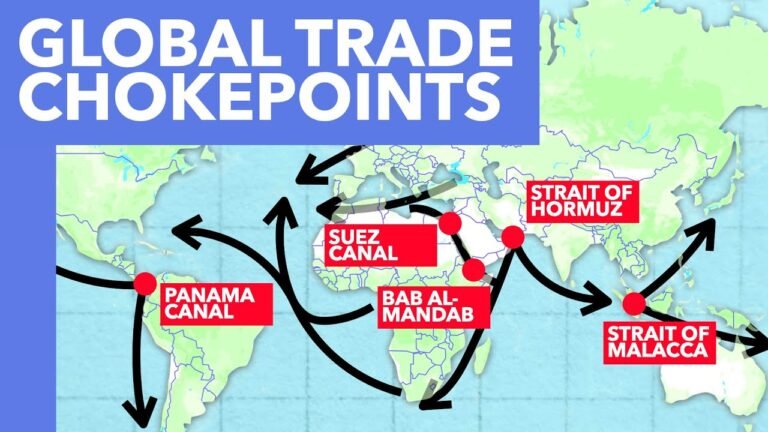
The dramatic escalation of the US-Israel war with Iran in late February has triggered an unprecedented global energy crisis, fundamentally disrupting international trade, daily life, and geopolitical stability. At the heart of this paralysis is the effective closure of the Strait of Hormuz, a vital maritime chokepoint that has become a casualty of the conflict. Through this narrow waterway passes 20% of the world’s total oil consumption and approximately one-third of global liquefied natural gas (LNG) supplies. Every day, the strait traditionally handles around 17.2 million barrels of oil, making its sudden blockade a catastrophic blow to the global economy. As The Guardian succinctly notes, “Shrinking fuel stocks and soaring prices are leading countries around the world to burn coal, ration fuel, shorten work weeks and tell citizens to stay at home”.
Diverging Global Strategies
The geopolitical and economic responses to this sudden energy vacuum vary drastically, largely dictated by domestic resources and political priorities. In the United States, the Trump administration has capitalized on the crisis to reinforce a aggressive “drill, baby, drill” policy, prioritizing the expansion of fossil fuel production. The administration went as far as paying the French energy company TotalEnergies $1 billion in taxpayer money to abandon plans for offshore wind farms on the US east coast, redirecting those investments squarely into oil and gas. Concurrently, the US is pressuring its international allies to purchase American oil rather than relying on Gulf supplies.
In stark contrast, the European Union has attempted to use the crisis as a catalyst to accelerate its transition to a clean economy powered by domestic renewables. The European Commission has proposed weakening its flagship carbon price by ending the automatic cancellation of extra permits, while also promising to mandate lower taxes on electricity to speed up the transition away from petrol vehicles and gas boilers. However, the immediate reality of the energy shortage has forced painful compromises; Italy has delayed its planned coal phase-out by over a decade, and Germany is considering extending the life of its coal plants while hastening the construction of gas-fired power stations.
Across the Global South, the focus remains strictly on immediate economic survival. African nations, which are highly vulnerable to soaring fertilizer costs triggered by the energy crisis, are intervening aggressively. South Africa has reduced its fuel levy, Tanzania has implemented petrol price caps, and Ethiopia introduced a special fuel subsidy. In South America, responses are mixed. While Chile’s right-wing government hiked fuel prices to match global rates, Argentina delayed a scheduled increase in taxes on liquid fuels. Meanwhile, Brazil remains uniquely insulated from the worst of the price shocks due to its massive fleet of vehicles that run on homegrown sugarcane ethanol, allowing drivers to bypass imported fossil fuels.
Asia Takes the Heaviest Hit
Nowhere is the crisis more devastating than in Asia, which receives nearly 90% of the oil and gas that transits through the Strait of Hormuz. Across the continent, governments are implementing severe austerity measures to curb energy demand. Sri Lanka, still recovering from a recent sovereign financial crisis, has instituted a four-day working week, declaring Wednesdays a fully paid public holiday to save fuel. Vietnam has urged companies to let staff work from home, while Myanmar’s military-backed authorities have implemented an alternate-day driving policy for private vehicles.
The crisis has even altered daily cultural norms and dress codes. In Thailand, news anchors at the public broadcaster Thai PBS removed their suit jackets on air to promote energy conservation, as the government urged the public to reduce air conditioning and mandated officials to wear short-sleeved shirts without neckties. “It’s unbelievable that something so small could reflect the clear impact of the current conflict… on us,” stated Thai news presenter Sirima Songklin.
Beyond transportation fuel, the disruption of petrochemical supply chains is causing unexpected shortages. South Korea is experiencing a panic-buying spree of mandated rubbish bags due to a dwindling supply of naphtha—a crude oil byproduct essential for manufacturing plastics. The naphtha shortage is sparking even darker fears in Japan over the supply of critical medical equipment, including syringes, gloves, and dialysis machines, which threatens to cripple an already burdened healthcare system. In the Philippines, the crisis is an existential threat to the working class. Jeepney drivers have seen their daily wages plummet from up to 1,200 pesos to as little as 200 pesos. Driver Carlos Bragal Jr. summarized the desperation: “If this continues, it will definitely kill us and our family”.
Ground Zero for Impact: India’s LPG and Economic Crisis
India, the world’s third-largest crude importer, finds itself uniquely exposed to the Hormuz blockade. While the nation imports about 45% of its crude oil through the strait, it relies on the waterway for a staggering 90% of its imported Liquefied Petroleum Gas (LPG) shipments. With 60% of India’s total LPG being imported, the supply shock has paralyzed millions of households and commercial establishments.
The Indian restaurant and hospitality industry has been decimated. According to reports, up to a fifth of hotels and restaurants in Mumbai completely or partially shut down in the early weeks of the crisis. Manpreet Singh of the National Restaurant Association of India highlighted the severity of the situation, stating, “The situation [in restaurants] is dire. Cooking gas simply isn’t available”. Countless eateries are dropping hot meals from their menus, switching entirely to snacks and fast food to conserve whatever fuel they have left.
The industrial sector is similarly paralyzed. In Gujarat, a severe shortage of gas has shuttered the region’s massive ceramics industry, leaving roughly 400,000 workers in limbo. In Surat, textile factories have slashed production due to raw material costs jumping by 40%, triggering a mass exodus of daily wage migrant workers who can no longer afford to live in the city. One migrant worker waiting at a train station in Surat explained, “We couldn’t get any [gas] despite rations. So, how are we supposed to cook our meals? We’re not in a village where we can just go out and find firewood to burn”.
An Environmental Regression
The desperate search for cooking fuel in India and other parts of Asia is forcing a disastrous return to heavily polluting alternatives. To cope with the LPG shortage, the Indian government approved an extra 48,000 kilolitres of kerosene to support low-income households. Furthermore, the environment ministry has permitted restaurants to temporarily burn biomass, fuel pellets, wood, and coal.
Reports indicate a significant spike in the sales of firewood and cow dung cakes across the nation. This regression poses severe health and environmental risks. Burning biomass releases carbon monoxide, nitrogen oxides, and fine particulate matter, which penetrate the bloodstream and are linked to serious cardiovascular and lung diseases. Experts, such as Nandikesh Sivalingam from the Center for Research on Energy and Clean Air, warn that while this is viewed as a temporary measure, it will instantly worsen indoor air pollution. Moreover, as electricity demand spikes for backup induction cooking, India is leaning heavily on its coal plants—which provided nearly 79% of its domestic energy last year—ordering them to run at absolute full capacity.
Geopolitical Paralysis and Market Turmoil
As the economic fallout intensifies, global markets are reeling in a synchronized sell-off. Australia’s benchmark index, Japan’s Nikkei, and American stocks including the Dow Jones and S&P 500 have all taken significant hits. Investors in the Indian markets alone have lost over $200 billion (22 lakh crore rupees), while the Indian rupee hit a record low. The International Energy Agency (IEA) attempted to stabilize global oil prices by releasing 400 million barrels of strategic oil reserves, the largest release in history. However, markets barely moved because the core issue is not global oil availability, but the inability to deliver it through the blockaded strait.
In an attempt to cushion the blow for ordinary consumers, the Indian government slashed petrol duties from 13 rupees to 3 rupees per litre, taking a significant fiscal hit estimated at $16.3 billion annually. Petroleum Minister Hardeep Singh Puri has sought to calm the public, confirming the country has strategic oil reserves to last 74 days, dismissing rumors of a pandemic-style lockdown as “completely false”.
Yet, the geopolitical dynamics complicating the recovery are immense. Iran has expanded its attacks to commercial shipping, hitting at least 19 vessels with drones and missiles across the Persian Gulf and the Gulf of Oman. This has turned hubs like Dubai into active conflict zones; as drones strike high-rises, multinational banks like Citibank and Standard Chartered are ordering employees to evacuate offices and work from home, threatening the city’s finance-dependent economy.
Diplomatically, the crisis has exposed shifting alliances and tested the sovereignty of major players. Indian foreign policy, historically grounded in strategic autonomy, has drawn intense scrutiny. When a US Navy submarine sank the Iranian warship Iris Dena in the Indian Ocean—killing 87 sailors who had recently participated in a joint naval exercise with India—New Delhi remained conspicuously silent. Critics argue Prime Minister Narendra Modi’s administration has compromised its autonomy under pressure from the US and Israel. This pressure is further evidenced by Washington reportedly dictating India’s oil imports—forcing India to halt Russian oil purchases before granting a temporary 30-day “permission” to resume them to cover the domestic supply shortfall. [Note: The sources do not elaborate on long-term diplomatic strategies or whether nations intend to fundamentally restructure their defense pacts following the immediate 30-day window].
Conclusion
The global response to the Iran war energy crisis vividly illustrates the acute fragility of the modern globalized economy. The effective closure of a single maritime chokepoint has upended daily routines in Asia, forced European nations to rethink their immediate climate goals, and driven developing economies toward toxic, regressive fuels. As governments scramble to secure alternative supplies, dole out emergency subsidies, and implement rationing, the crisis serves as a stark reminder of the deep interconnectedness of international security, energy dependence, and environmental health. Without a swift diplomatic resolution to reopen the Strait of Hormuz, the world faces a prolonged period of economic instability and a devastating setback in the global fight against climate change.