

An Analysis by
Mohsin
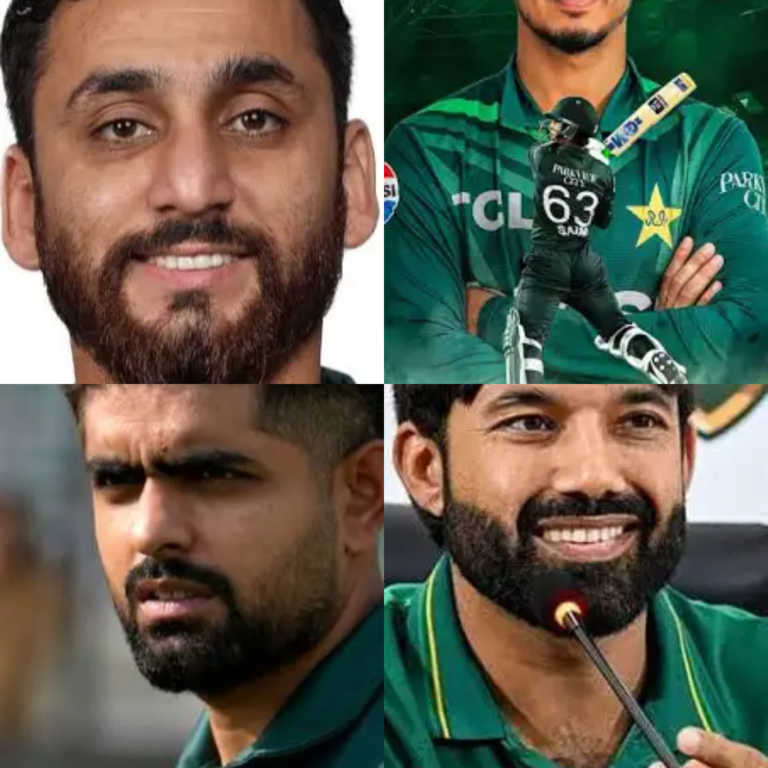
The audacity of leadership in Pakistan cricket team continues to test the patience of its most loyal supporters. When a player averaging 23 with a strike rate of 123 is consistently positioned at number three because he is a national captain as well, and an opener with an average of 21 and a strike rate barely crossing 130 continues to get opportunities after more than 65 matches, questions are inevitable. More baffling, however, is the decision to push your most accomplished batter; someone with a career average touching 40 and a strike rate of 128 down to number four. Team composition is not merely about filling slots; it is about maximizing impact. When logic is sidelined, performance inevitably suffers.
What compounds the frustration is the perception of passive leadership. A captain is not meant to exist solely for the toss. He must influence the game through tactical bowling changes, bold selection calls, and decisive field placements. When difficult decisions arise, such as reconsidering the inclusion of players like Shadab Khan and Mohammad Nawaz during prolonged lean phases, leadership demands courage. Without accountability and clarity of roles, the dressing room drifts into mediocrity. Under pressure against top-tier sides, the pattern has been consistent for years: hesitation, reactive strategies, and missed opportunities. Results reflect that stagnation.
Equally troubling is the persistent neglect of emerging talent. Players such as Abrar Ahmed, Sufiyan Muqeem, and Mohammad Wasim Jr. represent skill sets that could inject variety and competitiveness into the side. Yet selection debates often appear clouded by external influences and unspoken loyalties. When meritocracy is perceived to be compromised; when deserving performers are sidelined to accommodate familiar names or well-connected individuals the culture erodes. Trust, once broken, is not easily restored.
Ironically, Pakistan was fortunate to possess a generational batter in Babar Azam; a player the cricketing world recognized nearly a decade ago for his class, consistency, and composure. Instead of building a system around his strengths, he has often been burdened with responsibilities beyond his natural role. From constant positional shuffling to the weight of captaincy and unrealistic expectations of anchoring and accelerating simultaneously, the management has blurred clarity around his primary job: scoring runs freely and leading with the bat. The consequence is alarming. A player who stands among the highest run-scorers in T20I cricket globally now finds himself at the brink of contemplating retirement from the format. When you mismanage your finest asset, decline is not accidental, it is engineered.
The rhetoric of “intent” has become fashionable, as though aggression alone can compensate for structural deficiencies. But intent without capability is merely noise. Modern cricket demands preparation, role clarity, data-backed planning, and mental resilience. You cannot wake up one morning and rebrand philosophy without investing in the systems that sustain it. High-performing teams develop depth, succession planning, and accountability frameworks; they do not rely on slogans.
Pakistan cricket’s challenges are not rooted in talent scarcity. They lie in systemic inertia and resistance to difficult reform. True transformation requires confronting uncomfortable truths about selection standards, leadership evaluation, domestic structure alignment, and performance benchmarks under pressure. Until merit is not only promised but visibly practiced, frustration will persist. Culture is not changed by declarations; it is changed by consistent, courageous decisions.