

The garment and hosiery industry in Pakistan is not just a part of the country’s textile ecosystem; it is also a sleeping economic giant. This sector has the potential for revolutionary growth since it has a lot of cotton (4th in the world), a skilled and competitive workforce, and a growing domestic market. It can create jobs, raise GDP by a lot, and stabilize the country’s foreign exchange reserves.Even if this is possible, the industry is not working at its full potential. The GEM Model says that Pakistan’s score for ready-made clothes is 382, which is higher than the national average of 250 but below than the world-class standard of 1,000.To close this gap, we need to work strategically and with purpose. Pakistan can make this industry a major driver of national prosperity by solving important problems and taking advantage of global opportunities.
Boosting exports and fixing the trade balance. The most direct effect on the economy is a huge rise in exports. Changes in the global supply chain, including the high U.S. tariffs on Chinese textiles, have created a chance. Pakistan is already starting to take advantage of this, with knitwear exports growing and U.S. purchases of clothing expected to reach $4.5 billion by 2026. Pakistan ($78 million in U.S. imports) is already ahead of India ($38 million) in specialist categories like socks. To be successful, you need to go beyond just basic goods. The global market for hosiery and clothing is about $40 to $46 billion and is rising. More and more, it is driven by items that are sustainable and offer value.
Pakistan needs to use programs like the EU’s GSP+ to sell high-end goods like organic cotton underwear, performance-driven activewear, and eco-friendly clothes. This change from quantity to quality will help trade margins, the balance of payments, and build up important foreign reserves.
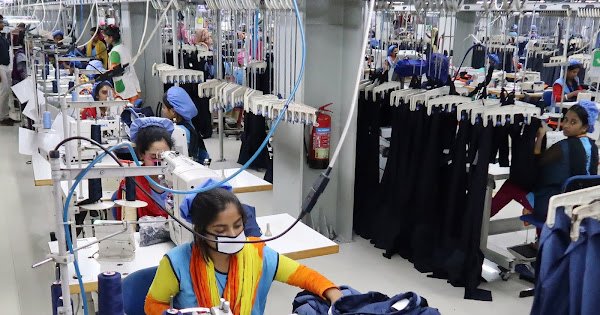
Making job creation and economic growth more inclusive. Because they require a lot of work, the garment and hosiery business is one of the best at creating jobs. Hubs like Faisalabad, Sialkot, and Karachi already help millions of people with manufacturing, design, and logistics. Strategic growth might produce millions more employment by 2030, especially for women and young people in semi-urban areas, which would let everyone take part in the economy. This growth doesn’t depend on exports alone. A burgeoning domestic market, including the children’s clothing category (worth more than $1.5 billion), helps local firms like Hopscotch and Minnie Minors grow. The industry may create more jobs in IT, logistics, and retail by using e-commerce and digital marketing, as well as trends like “momfluencer” participation. This will create a virtuous cycle of domestic consumption and employment.
Making the economy stronger and supply chains more resilient. The sector adds to GDP in both direct and indirect ways. It creates value directly by making things and selling them. It indirectly strengthens backward links to agriculture (like cotton production) and forward links to retail and export logistics. The industry may save money, protect the environment, and get green finance by investing in circular economy concepts like turning post-consumer waste into new yarn or dying without water. The Net-Zero Textile Cluster and cooperation with UNIDO are good milestones in the right direction for the government. Now, policy support has to focus on getting rid of roadblocks like unreliable energy supply, outdated infrastructure, and rewards for innovative ideas that are good for the environment. If these issues are fixed, the sector’s GEM score can go over 490, which will make the economy more stable overall.
What regional leaders have taught us: innovation is what sets us apart. Pakistan needs to change and absorb the best practices of its best neighbors in order to compete on a global scale: ·
China’s Technological Dominance: China has about 40% of the world’s market share. This is because of automation (machines that make socks in minutes), advanced material science (like fibers made from coal), and smart textiles (fabrics that use AI). Pakistan may greatly increase productivity and quality by investing in automated knitting and finishing technologies.
Few countries has developed waterless dyeing, bio-pretreatments, and laser finishing. Policies like the Production Linked Incentive (PLI) program help these methods have less of an effect on the environment and appeal to consumers who care about the environment. Pakistan’s cotton advantage is the perfect place to start using these environmentally friendly methods.
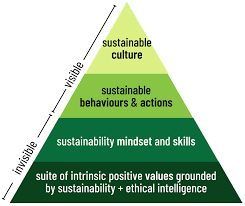
A Call to Action The clothing and hosiery industry in Pakistan is at a crossroads. It’s evident what has to be done to make the change: · Switch to products that add value and are good for the environment: Focus on high-end export markets. · Welcome Technological Modernization: Use automation to improve quality and efficiency. · Make sustainability a part of your business: use circular methods to fulfill global requirements and lower expenses.
Encourage cooperation between policy and industry: give green tech targeted subsidies, make sure energy is stable, and talk about better market access. By following this strategic vision, Pakistan may turn its garment and hosiery industry from a contributor to a key part of its economic future, bringing growth, stability, and prosperity for the next ten years.