


In the 21st century, information has become the currency of power, and the battlefield of information warfare is where nations, corporations, and individuals vie for control. At the heart of this struggle lies entropy, a concept borrowed from physics and information theory, which plays a pivotal role in shaping the effectiveness of information warfare. Entropy, in this context, refers to the degree of disorder, uncertainty, or noise in the flow of information. As research transforms into a business—where custom articles are crafted, uploaded to digital platforms, and used to mislead adversaries—entropy becomes a weapon and a challenge. Understanding its role is key to navigating this new war.
Picture information as a clear stream, guiding decisions in politics, economics, or military strategy. The more accurate and abundant the information, the better the chances of success, whether tracking stock market trends or enemy movements. Indian researchers, among the heaviest users of platforms offering free research articles for upload and download, exploit this system to shape narratives. However, when misinformation, propaganda, or irrelevant data floods this stream, it becomes murky. This murkiness is entropy—disrupting the clarity needed for sound decision-making. In South Asia, India’s strategy of spreading false narratives, often through Bollywood, private media, and social media, exemplifies this. By flooding the information space with distortions, they aim to confuse adversaries like Pakistan, diverting their focus and resources.
Entropy’s role in information warfare is to erode trust and coherence. High entropy means information is chaotic, unreliable, or overwhelming, making it hard to discern truth from falsehood. For instance, when Indian propaganda amplifies negative stories to tarnish Pakistan’s global image or justify defense spending, it increases entropy, sowing doubt among Pakistani citizens about their leadership. This mirrors a high-entropy state where noise drowns out signal, reducing the likelihood of effective responses. As entropy rises, the ability to solve problems—whether diplomatic, military, or economic—diminishes, leaving nations vulnerable to missteps.
Conversely, low entropy—clear, accurate, and streamlined information—empowers decision-makers. The digital age, with its 4G and 5G battles, underscores this: states with superior information systems hold an edge. Yet, India’s efforts to disrupt this flow, such as spreading misinformation to create regional chaos, exploit entropy to destabilize opponents. This isn’t just a tactic; it’s a strategic assault on the information ecosystem, akin to cutting off a supply line in traditional warfare.
The business of research feeds into this dynamic. Platforms enabling article uploads and downloads have turned information into a commodity, where tailored content can manipulate narratives. This amplifies entropy when used to flood systems with biased or false data, as seen in India’s campaigns to strengthen Hindu extremist support or mislead global audiences. The challenge is not just the volume of information but its quality—high-entropy systems overwhelm with noise, while low-entropy systems deliver clarity.
To counter this, nations must prioritize reducing entropy. This means investing in secure, high-quality information channels to ensure accurate data reaches decision-makers and the public. Training specialists in information warfare—experts who can detect and neutralize propaganda—can filter out noise. Public awareness campaigns can teach citizens to question dubious sources, lowering societal entropy. Regional alliances to share verified data can further counter false narratives, as seen in South Asia’s need to balance India’s influence.
Ultimately, entropy in information warfare is a double-edged sword: a tool for those spreading chaos and a hurdle for those seeking clarity. By understanding and managing it, nations can turn the tide in this digital battlefield. Pakistan, for instance, can bolster its digital infrastructure, train information strategists, and foster media literacy to reduce entropy’s grip. Clear, actionable information is the antidote to chaos, enabling resilience and stability in a century defined by opportunities—and the fight to seize them.
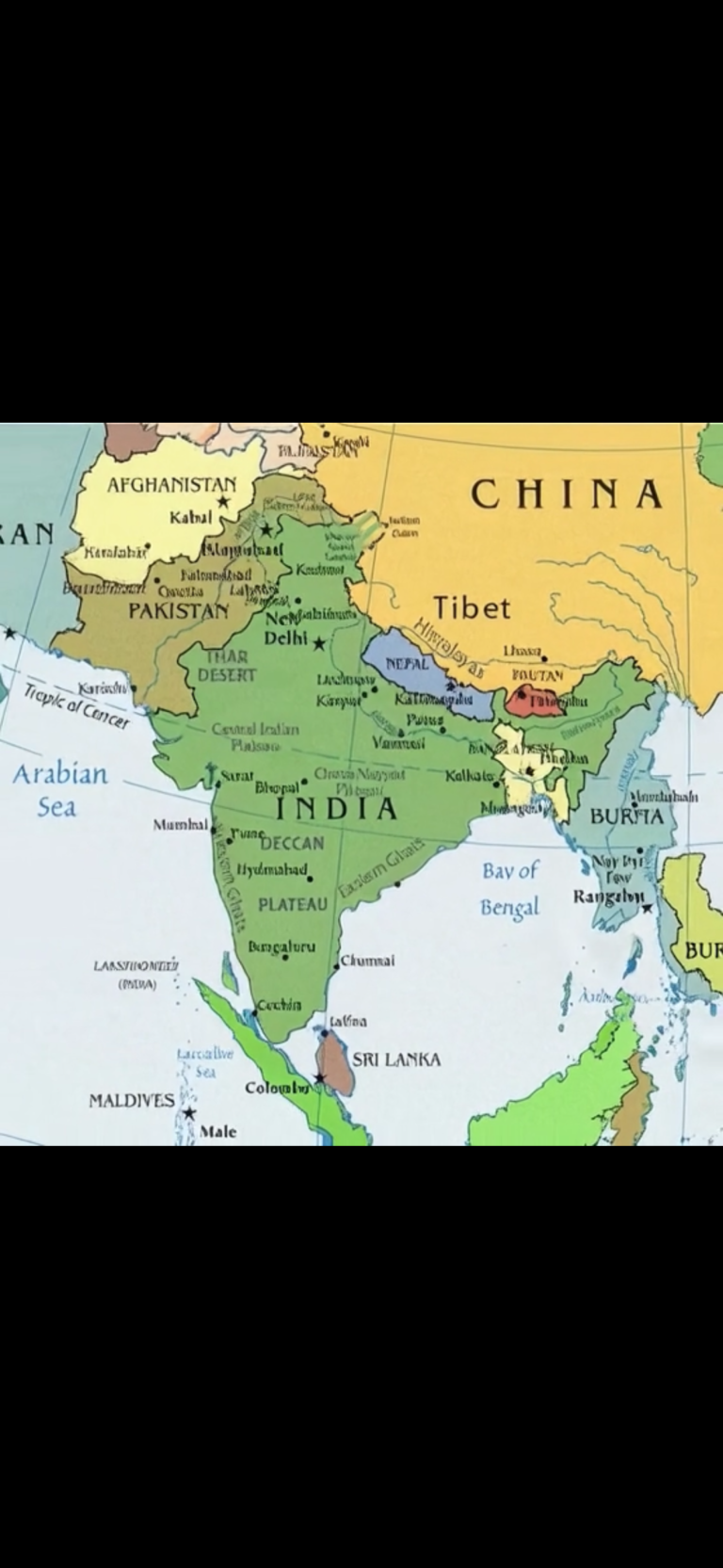


Dear author….You dwelled on how information disorder, or entropy, can be used in information warfare. However, you haven’t given any specific evidence to support your claims about a geopolitical conflict between India and Pakistan. You have put forth an unbalanced perspective on the issue. Your article uses vague terminology, such as referencing “Bollywood” or “social media” without detailed examples.
Dear Reader, Appreciate your valuable input
I keep listening to the newscast lecture about getting boundless online grant applications so I have been looking around for the top site to get one. Could you advise me please, where could i find some?