

Washington, DC – October 13, 2025
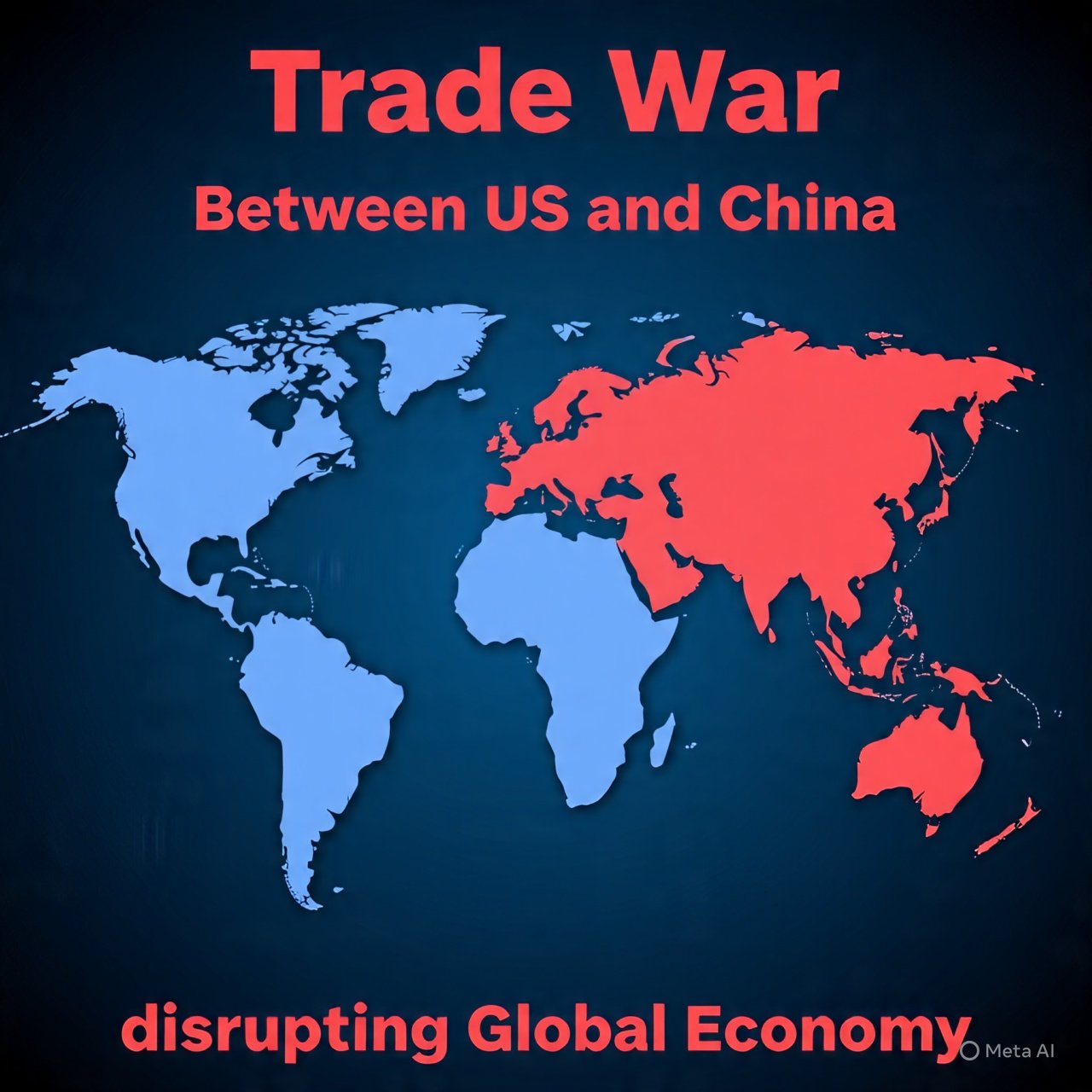
The trade war between the US and China is becoming worse, and that’s awful for the economy of the whole world. Tariff retaliation is happening because of the controls on rare earths. People are calling Beijing’s new, strict curbs on rare earth element exports a “stranglehold” on the world economy, which is causing problems for businesses ranging from electric cars to the military. This is a big step forward in the long-running trade conflict between the US and China. Experts warn that the move goes beyond just trade restrictions and gives China control over who can get the building blocks of future technology. President Donald Trump promptly struck back, which might affect American consumers and exporters. The problem started on Thursday when China’s Commerce Ministry declared that starting on December 1, overseas companies will need government licences to export any products that contain more than 0.1% rare earths from China or were created using Chinese technology. This includes everything from high-tech magnets to parts for smartphones, fighter jets, and wind turbines. 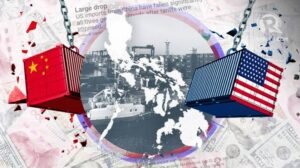 China makes more than 90% of the world’s processed rare earths and magnets. For national security, advanced manufacturing, and renewable energy, these 17 elements are needed. Dean Ball, who used to be a senior advisor in the White House Office of Science and Technology Policy, wrote a pointed X post on Saturday that urged us not to miss the fundamental issue regarding rare earths: China has a policy that lets them keep any country on Earth from being part of the modern economy. Ball adds that China is powerful because it has made sensible investments over the years: “They were willing to put up with costs, both financial and environmental, to build industrial capacity that no one else had the strength to build.” Now the rest of the world has to do the same. The constraints come at a time when tensions are increasing, and US automakers have already cut back on production because of earlier rare earth shortages caused by Beijing’s supply squeezes in response to Trump’s earlier tariffs. President Trump didn’t take long to respond. He said on Friday that he will put an extra 100% tax on Chinese imports and limit the amount of US software that can be sent to Beijing. These steps could undermine China’s plans for growth and make it more expensive for American enterprises that rely on Chinese supplier networks. This back-and-forth is the most recent in a long line of strikes. The US levied port duties on Chinese ships last week, much like Beijing did to American ships. Washington has also made it difficult for China to get semiconductor tools from the US. China is also looking into the business practices of a major US chipmaker. Michael Froman, who used to be the US trade representative and is now the president of the Council on Foreign Relations, wrote on Friday in a Substack analysis, “In other words, the United States can cut China off from the chips of today, but China can make it much harder to build the chips and other advanced technologies of tomorrow.” What began as a quarrel between two countries is now a major worldwide problem that is disrupting supply chains and raising costs elsewhere. The US and China were having talks that made it simpler to access rare earth minerals, but the fight on Friday brought back worries about splitting up. Car producers, defence contractors, and internet companies in the US are all in a hurry, and shortages are already slowing down production. Economists don’t see a clear winner. Robin Brooks, a senior researcher at the Brookings Institution, said on Sunday that markets think Trump’s tariff increase will “backfire” on the US economy by producing increased inflation and trade concerns. But he didn’t agree with reports that China was in charge: Brooks stated on X that Trump’s tariffs are costing Beijing’s exporters a lot of money. This illustrates how weak Beijing is. The outcome of this high-stakes chess match between the two biggest economies in the world might harm global growth. Mining in Australia, recycling in Europe, or establishing new facilities in the US to get more rare earths looks like a costly but necessary step that may take years. Right now, world trade is dead because Washington and Beijing are fighting. What used to be a fair competition has transformed into an endless economic nightmare.