


When the curtain falls, it is the story—not the stage—that lives on, etching its mark on the soul of humanity and shaping the future with unwavering hope.
Truth is elusive, often obscured by a fog of deception, half-truths, and subjective interpretation. Facts alone rarely hold sway in the realms of governance, leadership, or society; instead, it is the narratives woven around them that shape perceptions and drive outcomes. Narratives are not mere embellishments—they are indispensable tools that bring order to chaos, inspire loyalty, and chart the course of history. As Richard Nixon articulated in his 1982 book Leaders, leadership transcends mere actions; it is defined by the stories that frame those actions. Nixon wrote, “When the final curtain goes down on a play, the members of the audience file out of the theatre and go home to resume their normal lives. When the curtain comes down on a leader’s career, the very lives of the audience have been changed, and the course of history may have been profoundly altered.” For Nixon, leadership is a performance, its legacy enduring through the narratives that shape how it is perceived and remembered.
Nixon’s perspective underscores the centrality of narratives in leadership. Great leaders are not just policymakers but architects of perception, crafting stories that resonate, unify, or legitimize their decisions. Whether through stirring rhetoric, strategic communication, or steadfast resolve in crises, leaders use narratives to transform raw events into lasting meaning. This is why narratives are essential: they provide the framework through which facts gain significance, turning fleeting moments into enduring legacies that shape public opinion and historical memory.
Consider the case of Nelson Mandela, whose leadership during South Africa’s transition from apartheid to democracy illustrates the power of narrative. After 27 years in prison, Mandela emerged not as a figure of vengeance but as a symbol of reconciliation. His narrative of forgiveness and unity—embodied in the Truth and Reconciliation Commission—reframed South Africa’s painful history as a story of collective healing. This narrative was not a distortion of facts but a deliberate choice to prioritize a vision of unity over division. Mandela’s leadership, in Nixon’s terms, was a performance that altered history, not just through policy but through a story that inspired a nation and the world.
Globally, narratives have proven critical in shaping perceptions during moments of crisis or controversy. Take the example of the 1962 Cuban Missile Crisis, where U.S. President John F. Kennedy’s narrative of resolute strength and diplomatic finesse defined the event’s legacy. The facts were stark: a 13-day standoff between the U.S. and the Soviet Union risked nuclear war. Yet, Kennedy’s administration crafted a narrative of calm leadership and strategic triumph, emphasizing backchannel negotiations and a naval blockade over the chaos of near-catastrophe. This narrative, amplified through speeches and media, not only defused domestic panic but also cemented Kennedy’s image as a decisive leader, shaping global perceptions of American power.
Another compelling case is the narrative surrounding Malala Yousafzai, the Pakistani activist shot by the Taliban in 2012 for advocating girls’ education. The Taliban’s attempt to silence her was a brutal fact, but the narrative that emerged—crafted by Malala herself, her supporters, and global media—transformed her into a global symbol of courage and resilience. Her story of defiance and recovery, amplified through her 2013 UN speech and her memoir I Am Malala, galvanized international support for girls’ education. This narrative did not alter the facts of her attack but gave them meaning, turning a personal tragedy into a global movement. As Nixon’s insights suggest, Malala’s legacy endures not just because of her actions but because of the story that framed them.
Similarly, consider the competing narratives surrounding Edward Snowden’s 2013 leaks of classified NSA documents. For some, Snowden was a whistleblower exposing government overreach; for others, he was a traitor endangering national security. These dueling narratives shaped public and political reactions worldwide. In the U.S., the government’s narrative emphasized security threats, while Snowden’s supporters framed him as a defender of privacy. In Russia, where Snowden sought asylum, state media crafted a narrative of him as a symbol of resistance against Western hegemony. Each narrative served a purpose, rallying different audiences by giving meaning to the same set of facts. This aligns with Nixon’s view that narratives are the currency of influence, turning raw data into stories that inspire trust, deflect criticism, or mobilize support.
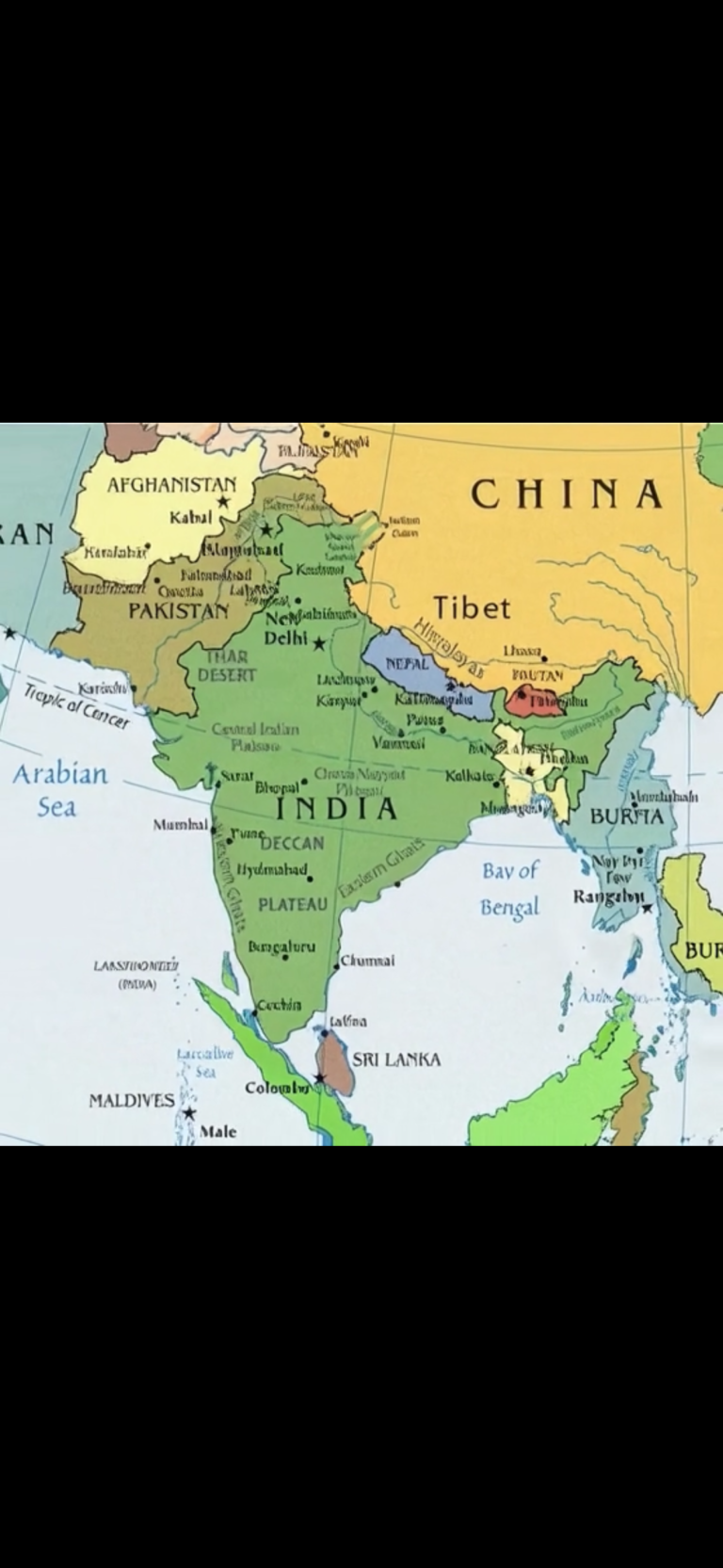
A final example comes from the May 2025 India-Pakistan conflict, a four-day escalation triggered by a massacre of tourists in Kashmir that drew the nuclear-armed neighbors into intense aerial clashes. The raw facts were grim: India launched strikes on suspected terrorist sites in Pakistan, prompting a massive beyond-visual-range dogfight involving over 100 aircraft. Independent assessments confirmed that Pakistan downed at least one—and possibly up to three—advanced Indian Rafale fighter jets using Chinese-made J-10C aircraft equipped with long-range PL-15 missiles, marking the first combat loss for the sophisticated French warplanes. Yet, amid the fog of war, Pakistan wove a compelling global narrative of air supremacy, with Prime Minister Shehbaz Sharif and military spokespersons claiming the downing of up to six Indian jets—including multiple Rafales, MiGs, and Sukhois—in a display of technological edge and defensive prowess. Amplified through state media, social platforms, and international outlets, this story portrayed Pakistan’s forces as underdogs turned victors, leveraging Chinese weaponry to outmaneuver a larger adversary and safeguard national sovereignty. Even as India countered with its own claims of downing six Pakistani aircraft and dismissing the losses as minimal, Pakistan’s narrative resonated globally, boosting domestic morale, influencing arms markets, and reshaping perceptions of regional power dynamics. By framing the conflict as a triumph of strategy over might, Pakistan’s leaders, per Nixon’s lens, performed a narrative that not only deflected criticism but elevated their legacy as resilient guardians of the nation.
Narratives are necessary because they transform the raw material of facts into the lifeblood of inspiration, connection, and change. Without narratives, facts remain scattered fragments—mute and fleeting, vulnerable to misinterpretation. With narratives, facts become a symphony of purpose, capable of lifting a leader like Mandela to the pantheon of global icons, framing a crisis like the Cuban Missile Crisis as a testament to human ingenuity, or igniting a movement through a figure like Malala. As Nixon understood, leadership is not merely about deeds but about the stories that immortalize them. Narratives are the torchbearers of history, illuminating the path forward, rallying hearts, and inspiring generations to dream bigger, fight harder, and build a world where the impossible becomes reality. When the curtain falls, it is the story—not the stage—that lives on, etching its mark on the soul of humanity and shaping the future with unwavering hope.