Silo-Awareness Framework Creates Systemic Visibility in Fragmented Institutions
Introduction: The Fragmented State
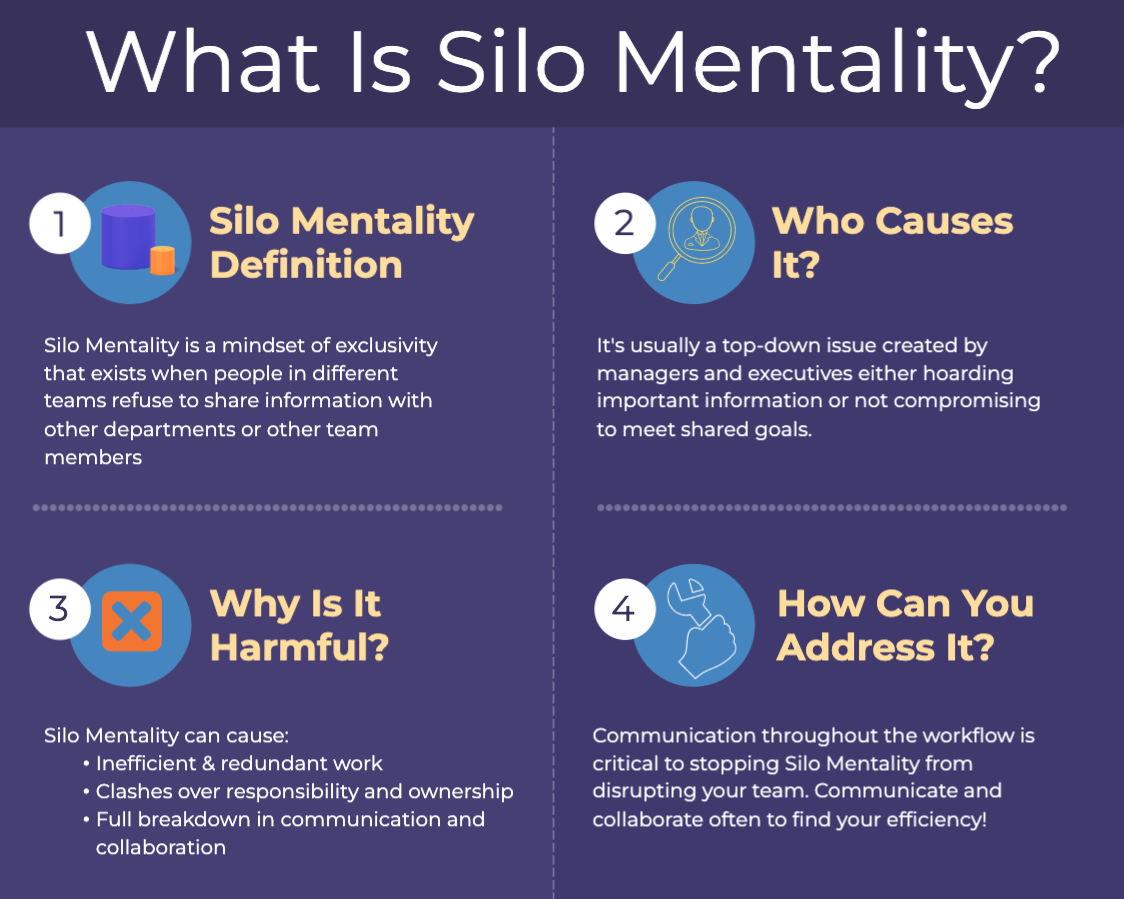
Pakistan’s government is not a unified system. It is a collection of silos that operate independently, often at cross purposes. The education ministry designs curriculum without consulting the business sector about what skills are needed. The defense ministry allocates billions for weapons without considering the cost to education and healthcare budgets. The finance ministry pursues fiscal targets without seeing the human consequences. The health ministry treats disease without addressing the poverty that causes it. The agriculture ministry maximizes production without considering water depletion.
Each ministry optimizes for its own goal. This is not corruption or incompetence. It is structural design. Ministries are organized around sectors, not around problems. A problem like “youth unemployment” spans education (curriculum design), economy (job creation), and health (because unemployed youth become unstable). But no ministry owns unemployment. So each ministry pursues its mandate without addressing the common problem.
The consequence is systemic dysfunction. Education produces graduates unprepared for jobs. Economy cannot absorb them. Health systems treat desperation-driven illness. Each ministry fails because each sees only its own piece of the problem, not the whole.
The Silo-Awareness Framework creates minimum necessary visibility across silos. Not merged bureaucracy (that creates bloat). Not committee-based consensus (that creates gridlock). But structural mechanisms that force each ministry to see how its decisions affect and are affected by other silos. With that visibility, contradictions become obvious. Better decisions become possible.
“Deep in your part, aware of the whole.” That is the principle. Each ministry stays expert in its domain. But it operates with awareness of the system it inhabits.
The Silo Problem: How Government Fragments
Government is organized hierarchically within sectors. Education ministry has a reporting structure. So does Health. So does Defense. Each has budget, staff, facilities. Each reports to a minister. Each minister reports to the PM.
This structure makes sense for operational efficiency. A health minister focuses on health outcomes. An education minister focuses on learning outcomes. But problems don’t align with organizational boundaries. A health problem often stems from education and poverty. An economic problem often stems from education quality and infrastructure. Defense spending crowds out health and education investment.
Example of fragmentation: The government announces education expansion (more schools, more enrollment). Success, right? Not necessarily. More schools without teachers creates classrooms without instruction. More enrollment without quality produces certified students who cannot read or think. Meanwhile, the economy ministry observes that graduate employment is not improving. Why? Because schools produce certificates, not capability. But schools cannot see this because they measure enrollment, not employment. The economy ministry cannot fix it because education is not their domain. Contradiction persists.
Another example: Defense ministry allocates 20% of budget. Health ministry receives 2%. A disease outbreak requires investment in public health—surveillance, vaccination, treatment. But health budget is insufficient. Meanwhile, defense capability sits unused during disease outbreak. Resources are not allocated to the problem. Instead, they remain siloed in their original categories because budget allocation happens at ministry level without systemic visibility.
Yet another: Finance ministry pursues fiscal discipline and privatization of public services. Education ministry supports privatization because it reduces government budget pressure. Health ministry supports privatization because it reduces their funding burden. But the result is that only the wealthy get education and healthcare. The poor are left behind. Inequality deepens. But this systemic consequence is invisible to each ministry because each sees only its own sector.
Silos are not inherently bad. They provide focus. But unfocused silos—silos that cannot see how they connect to the whole—produce contradictory system-wide outcomes.
Consequences of Siloed Thinking
When ministries operate in silos, visible contradictions emerge:
Resource Misallocation: Education receives X resources. But optimal education production requires supporting infrastructure (nutrition, transportation, healthcare) that is siloed in other ministries. Result: education spending produces suboptimal outcomes. Not because education ministry is incompetent, but because necessary complementary investments are in other silos.
Contradictory Goals: Finance ministry pursues privatization. Education ministry wants to expand public education. These cannot both happen. But because they are siloed, both happen partially, creating confusion and instability.
Invisible Causation: Health ministry blames poverty for disease. Poverty ministry blames unemployment. Employment ministry blames education quality. Education ministry blames infrastructure and resources. Each is correct. But because causation is siloed, nobody addresses it systematically. Disease persists.
Unowned Problems: Who owns “youth unemployment”? Not education (they own curriculum). Not economy (they own sectoral growth). Not defense (they own security). Nobody owns it. So it doesn’t get addressed with urgency because it crosses silos.
Wasted Intervention: Government invests in healthcare without realizing that 70% of health problems stem from poverty and dirty water, not medical care. Invests in education without realizing that teacher quality matters more than facilities. Invests in infrastructure without realizing that corruption prevents functionality. Each ministry pursues solutions that don’t address root causes because root causes cross silos.
These consequences are not inevitable. They result from lack of systemic visibility. When silos become aware of each other, they can coordinate.
Why Current Coordination Fails
Pakistan has coordination mechanisms. Cabinet meetings. Interministerial committees. PM directives. Why don’t they work?
Politics, not systems: Cabinet meetings are political events, not technical coordination. Ministers negotiate for their ministries’ interests. The finance minister wants to cut spending. The education minister wants to increase it. They negotiate. The outcome is political compromise, not systemic optimization.
No data: Coordination requires shared data showing how decisions in one silo affect others. Pakistan doesn’t have this. Each ministry hoards its own data. Without shared data, coordination is guesswork.
No accountability: Committees can suggest coordination. But if a minister ignores the suggestion, nothing happens. There is no mechanism to force systemic thinking. Each minister is accountable for their ministry, not for how their ministry’s decisions affect the whole system.
Bureaucratic bloat: Adding more committees creates more bureaucracy without fixing the problem. Coordination becomes another meeting, another layer, another bottleneck.
Short-term incentives: Ministers stay in position for 2-3 years. They are evaluated on what they accomplish in their ministry during that period. Systemic improvement takes longer. So ministers optimize for short-term ministry wins, not long-term system health. Incentive structures work against coordination.
Current coordination mechanisms fail because they are grafted onto a system designed for silos. The Silo-Awareness Framework rebuilds the system itself.
The Silo-Awareness Framework
The framework rests on three principles: (1) Ministries stay specialized and focused. (2) Decisions are made with systemic visibility. (3) Accountability includes both ministry success and system-wide consequences.
Mechanism 1: Shared Impact Assessment — Before a ministry launches major policy, it conducts impact assessment showing how the policy affects other silos. Education policy impact on employment. Defense spending impact on health and education budgets. Health policy impact on economic productivity. This assessment is mandatory and public. Other ministries can object if they see problems. Objection triggers negotiation, not veto.
Mechanism 2: Cross-Silo Metrics — Each ministry is accountable not only for its sector outcome, but for its contribution to system outcomes. Education minister is accountable for learning but also for employment (because education connects to jobs). Defense ministry is accountable for security but also for fiscal sustainability (because high spending crowds out other investments). Health minister is accountable for health but also for equity (because privatization affects access). Metrics connect silos.
Mechanism 3: Integrated Data — A central system aggregates data from all ministries. Education reports learning outcomes, employment of graduates. Health reports health outcomes, poverty levels of patients. Defense reports security metrics, budget utilization. Economy reports growth, employment, investment. This integrated database allows analysis showing how decisions in one silo affect others. Data becomes visible across silos.
Mechanism 4: System-Level Outcomes — Beyond sectoral targets, the government pursues system-level outcomes: poverty reduction, health improvement, employment creation, education quality, security, sustainability. These outcomes require coordination across silos. The PM is accountable for these outcomes. Ministers are accountable for their contribution to them. This creates incentive for coordination.
Mechanism 5: Rapid Feedback Loops — The AI Cognitive Bridge (Framework 2) provides real-time data on what policies are actually producing. If education policy is launched and produces no employment improvement, this becomes visible in months, not years. Ministries can adjust course. Short feedback loops reduce time lag between decision and consequence.
Mechanism 6: Incentive Alignment — Minister bonuses and reappointments are partly based on personal ministry success and partly on system-wide outcomes. A minister succeeds in their ministry but fails on system outcomes—they don’t get reappointed. A minister contributes to system improvement even at some cost to individual ministry metrics—they get recognized. This aligns incentives toward systemic thinking.
These six mechanisms together create a system where silos are aware of the whole and accountable for their contribution to it. Deep in their part, aware of the whole.
Applications: Where Cross-Silo Awareness Works
Education and Economy: Education ministry designs curriculum. With silo awareness, they see employment data. They notice that 60% of graduates are unemployed. They investigate why. Find that curriculum doesn’t match job market. Coordinate with economy ministry. Curriculum gets redesigned. Graduate employment improves. Without silo awareness, curriculum stays disconnected from employment and keeps producing unemployable graduates.
Health and Poverty: Health ministry treats disease. With silo awareness, they see that 70% of health problems correlate with poverty. They coordinate with poverty ministry. Find that targeted anti-poverty programs in certain regions improve health dramatically. Anti-poverty becomes a health intervention. Without silo awareness, health keeps pursuing medical solutions to poverty-caused disease.
Defense and Development: Defense ministry allocates 20% of budget. With silo awareness, they see that education and health budgets are 2-3%. They see health and education outcomes are worse than countries that spend less on defense. They consider whether reallocation would improve actual security (because security includes development and governance). Resource allocation changes. Without silo awareness, defense spending stays fixed regardless of consequences.
Finance and Equity: Finance ministry pursues privatization for efficiency. With silo awareness, they see that privatization reduces poor people’s access to services. They see inequality growing. They see social instability increasing. They adjust approach—privatize where it doesn’t harm equity, keep public systems where poor access is critical. Without silo awareness, privatization proceeds indiscriminately.
Infrastructure and Environment: Infrastructure ministry builds roads and dams. With silo awareness, they see environmental consequences. Water depletion. Habitat loss. They coordinate with environment ministry. Projects get redesigned to be sustainable. Without silo awareness, infrastructure gets built without environmental consideration.
In each case, cross-silo awareness doesn’t eliminate tension. It makes trade-offs visible and deliberate instead of hidden and chaotic.
Implementation: Governance Structure
Institutional Home: The Silo-Awareness Framework lives in the PM’s office. Not a separate ministry (that creates another silo). But a unit that reports directly to the PM and coordinates across all ministries.
Chief Role: A Chief Systemic Advisor (can be senior civil servant or expert from outside) leads the unit. This person has standing to question ministers, demand data, flag contradictions. Reports directly to PM. Is accountable for system-level outcomes, not individual ministry outcomes.
Data Integration: The unit operates the integrated database that aggregates data from all ministries. AI systems (connected to the AI Cognitive Bridge from Framework 2) analyze the data and identify cross-silo patterns. Reports go to the PM and relevant ministers.
Impact Assessment: Before major policies launch, ministries submit impact assessments showing effects on other silos. The unit reviews and flags problems. If a ministry wants to proceed despite objection, the objection and rationale are documented and reported to PM.
Regular Reviews: Quarterly systemic health briefings. How are system-level outcomes trending? Which policies are working? Which are producing unintended consequences? Where are contradictions emerging? PM gets systemic view, not just sectoral reports.
Accountability: Ministers are evaluated on both sectoral success and system-level contribution. PM uses this in promotion and reappointment decisions. System-aware ministers advance. Silo-focused ministers stagnate.
This is not heavy bureaucracy. It is lean coordination. One unit, senior leadership, shared data, systemic accountability. The cost is minimal. The benefit is systemic coherence.
How Silo-Awareness Interrupts the Closed Loop
Recall the closed loop from the Governance Diagnosis:
Bad thinking → Bad decisions → Worse outcomes → Deepened fatalism → Reinforced bad thinking
Part of the bad thinking is siloed thinking. Each person, each ministry, each silo pursues its narrow goal. Nobody thinks about the whole. Nobody sees contradictions. Resources get wasted on programs that don’t address root causes. Problems don’t get solved because they cross silos.
The Silo-Awareness Framework interrupts this by forcing systemic thinking at institutional level. When ministries become aware of how their decisions affect the whole system, better decisions become possible. A ministry that sees its policy is harming equity will adjust course. A ministry that sees its spending is crowding out other critical investments will negotiate reallocation.
This doesn’t happen because ministers suddenly become altruistic. It happens because consequences become visible. And when consequences are visible, accountability pressure increases. Ministers who produce system harm face political cost. Incentives shift toward systemic thinking.
The outcome is visible improvement in system-level outcomes. Poverty decreases. Health improves. Employment increases. Education quality rises. These improvements are visible to citizens. When citizens see that government policies are actually producing improvement, fatalism reduces. People begin to believe that change is possible. They demand better. They participate. The closed loop breaks.
Silo-Awareness is the institutional interrupt. It makes systemic thinking structural, not exceptional. It embeds whole-system awareness into how decisions are made.
Conclusion: Seeing the Whole
Pakistan’s government is designed as silos. This is not inherently bad. Silos provide focus and expertise. But disconnected silos produce system-level dysfunction. Education and employment remain mismatched. Health and poverty remain unaddressed together. Defense and development remain in tension.
The Silo-Awareness Framework keeps silos intact while making them aware. Each ministry stays expert in its domain. But each ministry operates with visibility of how its decisions affect and are affected by other domains. Accountability includes both sectoral success and system-level contribution.
The mechanism is not heavy. It is lean coordination with integrated data, impact assessment, cross-silo metrics, and realigned incentives. The benefit is systemic coherence. Contradictions reduce. Resources allocate better. Outcomes improve.
This framework works in concert with Education Reform (which creates long-term systemic thinking in citizens), AI Cognitive Bridge (which makes ground reality visible to decision-makers), and Mobile Default Reform (which allows people cognitive space to engage). Together, they transform how institutions think and act.
The principle is simple: deep in your part, aware of the whole. That is how systems function. That is how Pakistan’s institutions can begin to function better.
About the Author