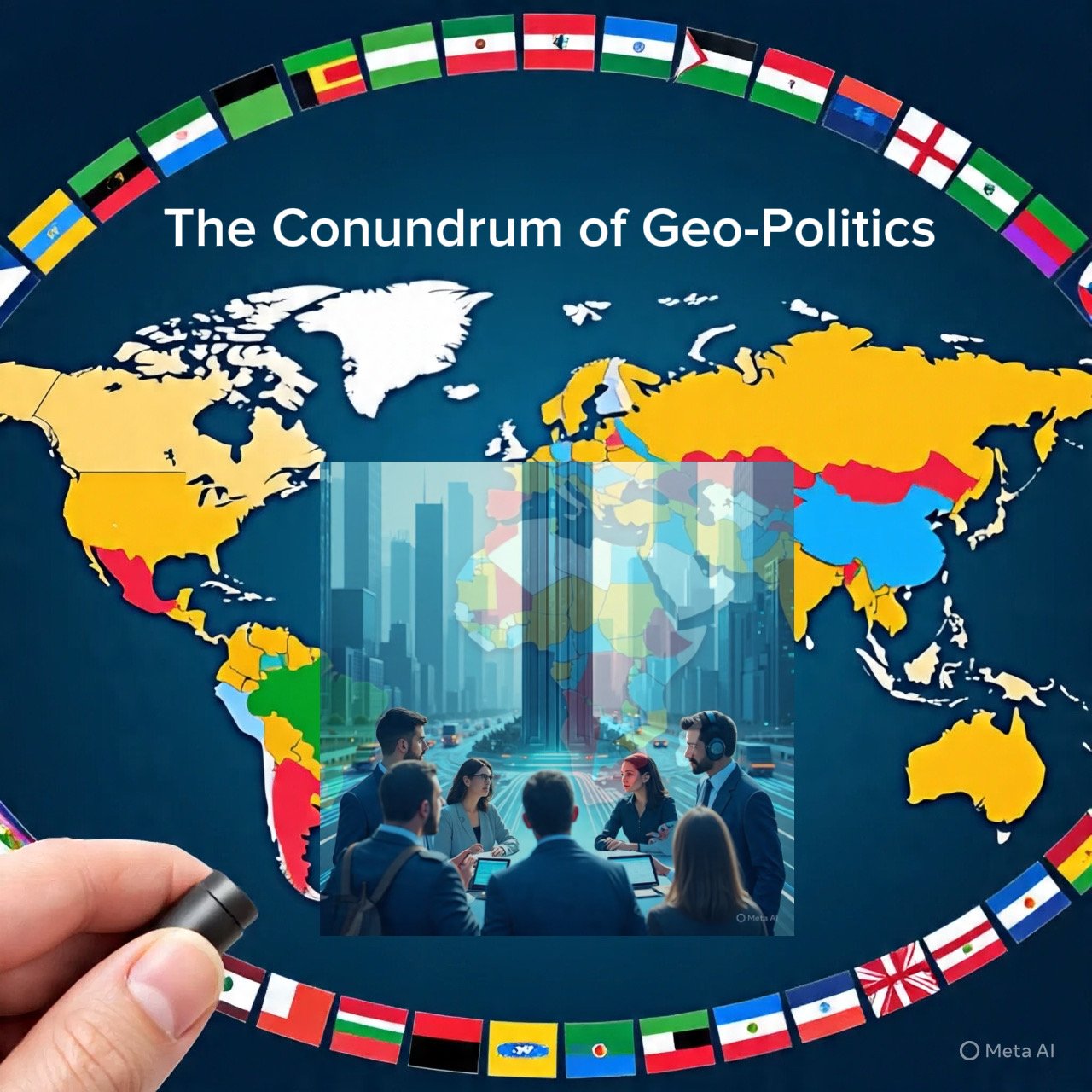
For decades, the relationship between Washington and Tehran has been defined by high-tension standoffs and “maximum pressure.” However, as of mid-April 2026, the geopolitical landscape is shifting in a way few saw coming.
The latest diplomatic cables and social media dispatches suggest we are witnessing a masterclass in mediation, with Pakistanemerging as the sole, indispensable bridge between two long-standing adversaries.
1. The Power Broker
The central figure in this de-escalation isn’t a traditional diplomat, but Pakistan’s Army Chief, Field Marshal Asim Munir. His current presence in Tehran isn’t just a courtesy call; it’s a high-stakes delivery mission.
2. Why Islamabad?
Location is everything in diplomacy. The announcement that the next round of direct U.S.-Iran talks will be hosted in Islamabad transforms the city into a global “Peace Capital.”
Pakistan’s unique position allows it to navigate this minefield because:
3. A “War Close to Over” – But Hurdles Remain
President Trump has signaled optimism, stating the conflict is “close to over.” However, the path to a final deal is littered with obstacles:
“Optimism is high, but the devil is in the details. While the ceasefire holds, the U.S. continues to squeeze Iran’s maritime trade, keeping the leverage high even as the pens are drawn for a deal.”
|
The Pros |
The Cons |
|
U.S. Endorsement: High-level praise from the White House. |
Internal Opposition: Many Iranian activists prefer regime change over a deal. |
|
Regional Support: Recognition from Russia and neutral stance toward neighbors. |
Domestic Politics: Critics in Pakistan question if the mediation serves local or foreign interests. |
4. What Happens Next?
All eyes are now on the Thursday discussions in Tehran and the subsequent move to Islamabad. If Field Marshal Munir can successfully translate White House intent into Iranian cooperation, the April 21 timeline could mark the end of one of the most dangerous flashpoints of the decade.
The Bottom Line: Pakistan has successfully pivoted from a regional player to a global peacemaker. Whether this leads to a lasting treaty or a temporary pause depends on the next 72 hours of “shuttle diplomacy.”
Here are three things to watch for this week:
About the Author