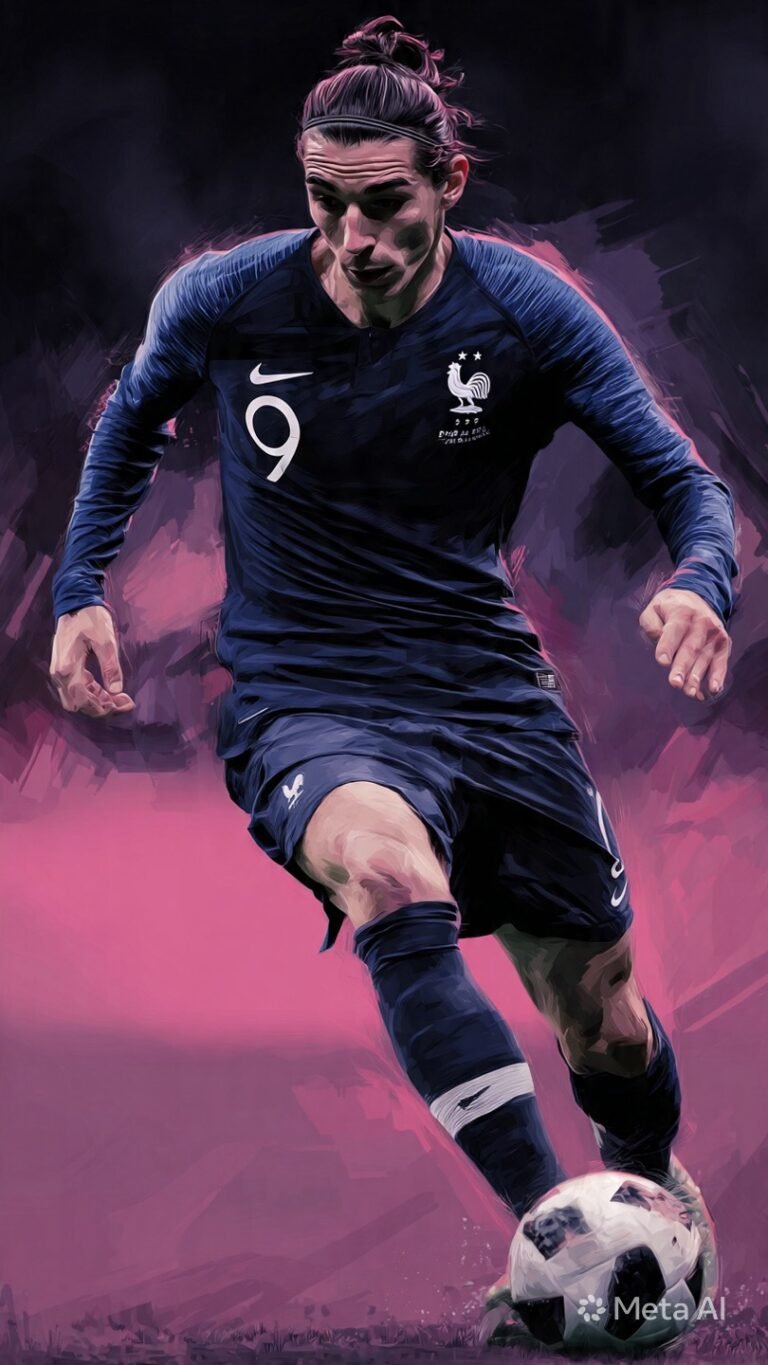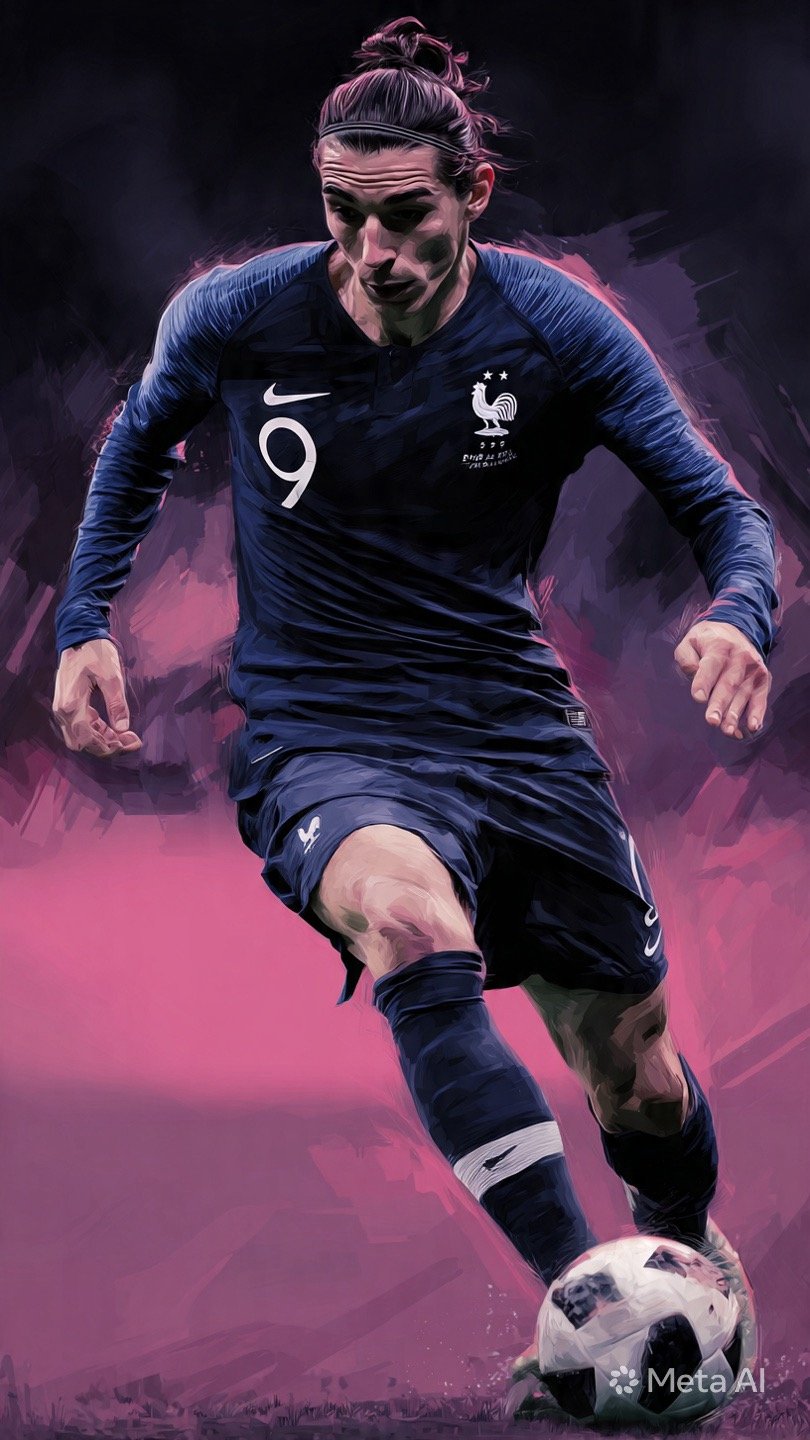
Two days ago, when Mexico defeated South Africa 2-0 at the historic stadium in Mexico City to open the 2026 World Cup, it was not merely a football match. It was the opening of the twenty-third chapter of a tournament that, for ninety-six years, has mirrored the political, economic, and cultural weather of the world. Read the history of the World Cup carefully and you are, in effect, reading the history of the twentieth and twenty-first centuries — wearing football’s jersey.
## The First Era: Politics Casts Its Shadow (1930–1950)
The first World Cup was held in Uruguay in 1930. Just thirteen teams, weeks of travel by ocean liner, and a boycott by most of Europe’s powers. The hosts won. But the dream of keeping sport separate from politics collapsed within the first decade. The 1934 and 1938 tournaments became instruments of Mussolini’s fascist propaganda machine — Italy won both, and those victories were not won on the pitch alone. Then came the Second World War, and the 1942 and 1946 editions were never held at all. Sport breathes the same air as artillery.
In 1950, before two hundred thousand spectators at Brazil’s Maracanã, Uruguay defeated the hosts in what is still called the *Maracanazo* — a collective national trauma that proved football was no longer a game but a question of national identity.
## The Second Era: Television and the Age of Pelé (1954–1970)
West Germany’s improbable victory over Hungary in 1954 is remembered by Germans as the “Miracle of Bern” — a moment of psychological recovery for a broken post-war nation. Here lies an early insight: the World Cup also heals national wounds.
In 1958, a seventeen-year-old named Pelé appeared, and Brazil won its first cup. Over the next twelve years, Brazil would win three. But the era’s real transformation occurred off the field: television. The 1970 tournament in Mexico was the first broadcast in colour to a global audience. The game now belonged not to local spectators but to the world. This is the moment football became a *narrative* — and wherever narrative goes, power and capital follow.
## The Third Era: Strategy and Maradona (1974–1990)
In the seventies and eighties, Europe turned the game into a science. Holland’s “Total Football” was an intellectual revolution — every player in every position, the system larger than the individual. West Germany defeated that very Holland in 1974, and Argentina won its first cup in 1978 under the shadow of military dictatorship — another demonstration of how regimes convert sporting victory into political legitimacy.
Then came 1986 — Maradona’s year. In the quarter-final against England, two goals within four minutes: the infamous “Hand of God,” and then arguably the most beautiful individual goal in the history of the game. Remember that this match came only four years after the Falklands War. For Argentina, victory on the pitch was a symbolic answer to defeat on the battlefield. This entanglement of sport and geopolitics is the World Cup’s most permanent feature.
The Fourth Era: Globalisation and Capital (1994–2010)
In 1994, the World Cup went to America — a country where football was played little but could be sold abundantly. The decision belonged not to the game but to the market. FIFA was evolving from a sporting body into a global commercial empire. In 2002, the tournament came to Asia for the first time (Japan and South Korea); in 2010, to Africa (South Africa). On the surface, this was the democratisation of the game. At a deeper layer, it was the search for new markets. Every continent was a new consumer class.
This era also clarified the tournament’s most telling statistic: in ninety-six years and twenty-two editions, only eight nations have ever won — Brazil (five times), Germany and Italy (four each), Argentina (three), Uruguay and France (two each), England and Spain (one each). More than two hundred countries compete; eight win. This concentration, too, reflects the global order: opportunity for all, reward for the few.
## The Fifth Era: Qatar and the Narrative Wars (2014–2022)
In the 2014 semi-final, Germany defeated host Brazil 7-1 — the nation’s second great trauma after the Maracanazo. Russia hosted in 2018, and in 2022 came Qatar — the first Muslim and Arab host nation.
Qatar’s World Cup is a complete case study in narrative warfare. Western media ran months of campaigns on labour rights and social restrictions; Qatar converted the tournament into a demonstration of soft power. A small Gulf state spent well over two hundred billion dollars to show the world that twenty-first-century power is built not only on armies and oil, but on spectacle and attention. And in one of history’s ironies, that contested tournament produced perhaps the greatest final ever played — Messi’s Argentina prevailing on penalties despite Mbappé’s hat-trick. The completion of a thirty-five-year-old genius, and the close of an age.
## The Sixth Era: Three Hosts, Forty-Eight Teams (2026)
And now 2026 — for the first time, three host nations (the United States, Canada, and Mexico); for the first time, forty-eight teams and 104 matches. FIFA calls it the expansion of the game; analysts call it the expansion of revenue. Both are correct. But there is a third layer: forty-eight teams means nations from Asia and Africa that could never previously reach the world stage will now appear on it. The circle is widening — and even if the intention is commercial, the consequence is inclusive.
## The Final Point
Three lessons emerge from ninety-six years of World Cup history.
First: sport is never merely sport. From Mussolini to Maradona, from Qatar to Messi, every tournament has mirrored the power struggles of its age. Whoever hosts the World Cup is, in truth, announcing to the world: *we have arrived.*
Second: the narrative has outgrown the field. Ninety minutes of play generates billions of interpretations across billions of screens, and those interpretations are now worth more than the goals themselves. Whoever controls the camera, the broadcast, and the algorithm ultimately pronounces the verdict on victory.
Third — and most interesting: despite all the capital, politics, and propaganda, every four years there comes a moment — Pelé’s leap, Maradona’s run, Messi’s final trophy — when eight billion human beings hold their breath together. In a fractured world, that shared breath may be the game’s true miracle.
For the next five weeks, that miracle will play out before us. The question is whether, on July 19 in New York, a ninth name joins the circle of eight.
—–
*The author has written more than sixteen books on geopolitics, narrative warfare, and epistemic sovereignty.*
About the Author